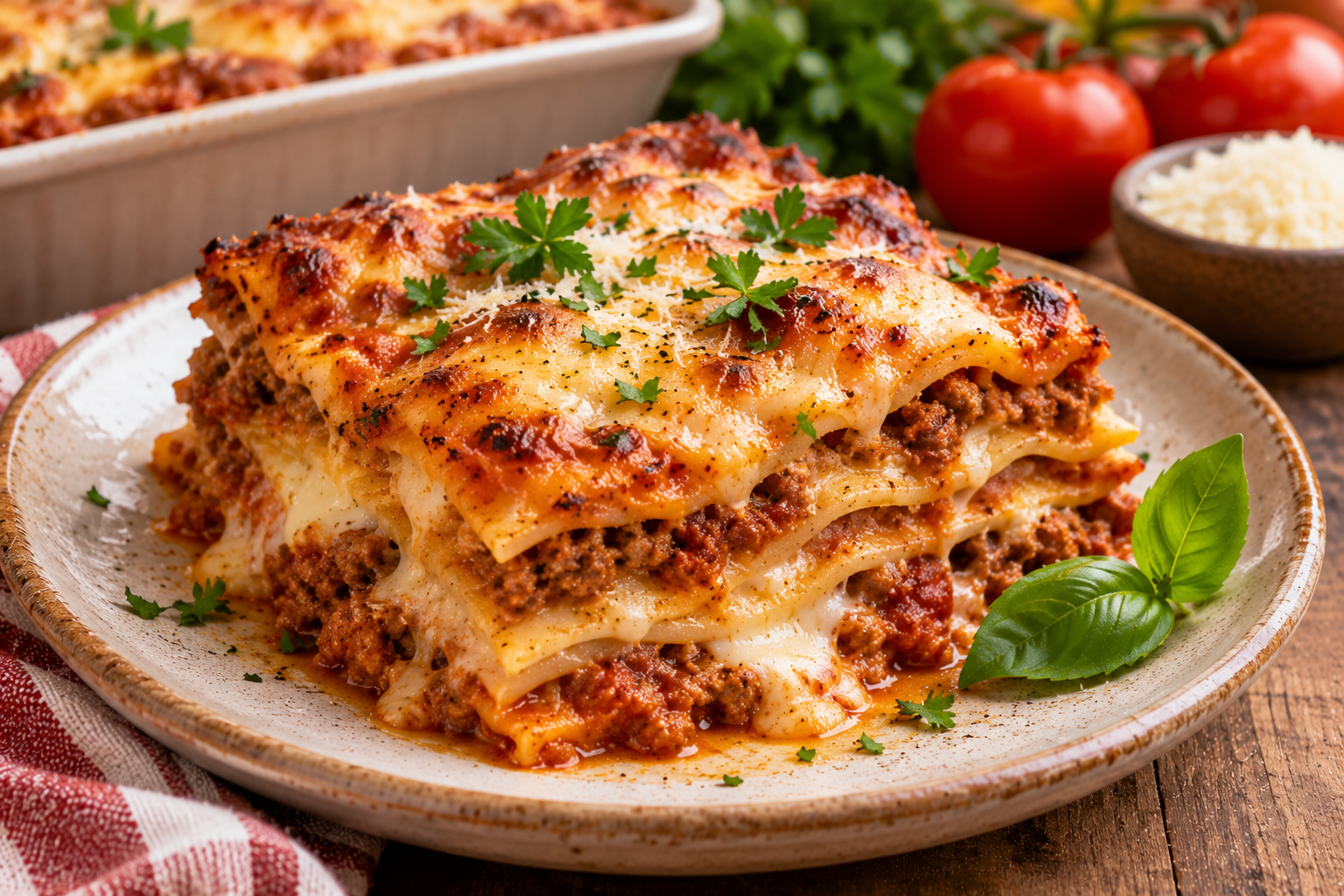
Authentic Lasagna alla Bolognese

A classic layered lasagna inspired by Bologna, made with slow-simmered meat ragù, silky béchamel, pasta sheets, and Parmigiano-Reggiano.
Authentic Lasagna alla Bolognese
A classic layered lasagna inspired by Bologna, made with slow-simmered meat ragù, silky béchamel, pasta sheets, and Parmigiano-Reggiano. Lasagna alla Bolognese layers slow-simmered meat ragù, smooth béchamel, pasta sheets, and Parmigiano-Reggiano. This style relies on the contrast between a deeply flavored meat sauce and a silky white sauce rather than a heavy ricotta layer. The ragù needs a long, gentle simmer, but most of that time is hands-off. After layering and baking, a proper rest helps the lasagna slice cleanly.
Prep time: 35 minutes | Cook time: 180 minutes | Total time: about 3 hours 35 minutes | Servings: 8 | Difficulty: Hard
Introduction
Lasagna alla Bolognese layers slow-simmered meat ragù, smooth béchamel, pasta sheets, and Parmigiano-Reggiano. This style relies on the contrast between a deeply flavored meat sauce and a silky white sauce rather than a heavy ricotta layer. The ragù needs a long, gentle simmer, but most of that time is hands-off. After layering and baking, a proper rest helps the lasagna slice cleanly.
For the smoothest cooking experience, read the full method first and measure the ingredients before turning on the stove or oven. Chop the vegetables, prepare the herbs, and keep ingredients used at different stages in separate bowls. This is particularly useful when the recipe moves quickly from browning to simmering, or when a delicate ingredient such as pasta, seafood, dairy, or fresh herbs is added near the end.
The quantities below come directly from the approved Better Home Recipes recipe record. Use them as written for the stated yield. Ingredient brands, pan sizes, and stove temperatures can vary, so follow the visual cues alongside the cooking times. Those cues help you judge when vegetables are softened, pasta is tender, sauce has thickened, or cheese has melted properly.
Why You'll Enjoy This Recipe
A classic layered lasagna inspired by Bologna, made with slow-simmered meat ragù, silky béchamel, pasta sheets, and Parmigiano-Reggiano. Lasagna alla Bolognese layers slow-simmered meat ragù, smooth béchamel, pasta sheets, and Parmigiano-Reggiano. This style relies on the contrast between a deeply flavored meat sauce and a silky white sauce rather than a heavy ricotta layer. The ragù needs a long, gentle simmer, but most of that time is hands-off. After layering and baking, a proper rest helps the lasagna slice cleanly.
This recipe makes 8 servings and is designed for an ordinary home kitchen. If you need to feed more people, use a pan or pot with enough room rather than crowding the ingredients into a small vessel. Crowding can trap steam, reduce browning, and make it harder to control liquid. When scaling down, begin checking earlier because smaller quantities may cook faster. Keep the main ingredient and liquid proportions balanced, and make final seasoning adjustments only after the dish has come together.
Another advantage is that the method separates preparation from finishing. Aromatics and main ingredients are cooked first, while delicate components are added at the point where they keep their best texture. Following that order is more reliable than adding everything at once. It also makes the recipe easier to repeat: once you recognize the color, aroma, and consistency at each stage, you can make small adjustments confidently without changing the approved ingredient list.
Ingredients You'll Need
Olive oil, butter, onion, carrot, celery, and pancetta form the ragù base. Ground beef and pork provide body; white wine deglazes the pot, and tomato paste plus crushed tomatoes give measured tomato flavor. Milk rounds out the sauce, broth keeps it from drying, and bay leaf, salt, and pepper season it. Béchamel uses butter, flour, warm milk, and nutmeg. Pasta sheets and finely grated Parmigiano-Reggiano complete the layers.
- 2 tbsp olive oil
- 2 tbsp unsalted butter
- 1 medium yellow onion, finely diced
- 1 medium carrot, finely diced
- 1 celery rib, finely diced
- 4 oz (115 g) pancetta, finely diced
- 1 lb (450 g) ground beef, preferably 80–85% lean
- ½ lb (225 g) ground pork
- ½ cup (120 ml) dry white wine
- 2 tbsp tomato paste
- 1 can (14 oz / 400 g) crushed tomatoes
- 1 cup (240 ml) whole milk, for the ragù
- 1 cup (240 ml) low-sodium beef or chicken broth, plus more as needed
- 1 bay leaf
- ½ tsp kosher salt, plus to taste
- ¼ tsp black pepper
- 4 tbsp unsalted butter, for béchamel
- ¼ cup (30 g) all-purpose flour
- 4 cups (960 ml) whole milk, warmed, for béchamel
- ¼ tsp freshly grated nutmeg
- 12–14 lasagna sheets, fresh or dried, prepared according to package directions
- 2 cups (200 g) finely grated Parmigiano-Reggiano, divided
- Butter, for greasing the baking dish
Measure everything before starting and pay attention to ingredients marked optional or divided. Optional ingredients can be left out without changing the basic method. Divided ingredients should be used at the stages indicated in the directions rather than added all at once. For best results, use the listed quantities for the first batch; once you know how your preferred brands and cookware behave, you can adjust small finishing details to taste.
Equipment
Prepare the following equipment: Heavy 5–6-quart Dutch oven; medium saucepan; whisk; wooden spoon; knife and cutting board; 9-by-13-inch deep baking dish; foil; measuring cups and spoons. Total time: about 3 hours 35 minutes (35 minutes active prep + about 180 minutes cooking, including slow ragù simmer and baking; allow extra cooling/resting time). You should also have a stable cutting board, a sharp knife, measuring cups and spoons, and a heatproof spoon or spatula. Arrange the equipment before heating the pan so you do not need to search for a utensil while ingredients are cooking.
Choose cookware large enough to hold the ingredients without crowding. A heavy pot or skillet helps maintain steady heat, while a properly sized baking dish helps the food heat evenly in the oven. Use dry oven mitts for hot cookware, turn pan handles inward, and keep raw meat or seafood utensils separate from ready-to-eat garnishes. Wash hands, boards, and knives after handling raw proteins.
How to Make Authentic Lasagna alla Bolognese
Soften vegetables and pancetta in oil and butter, then brown beef and pork until excess liquid evaporates. Add wine and reduce it, then stir in tomato paste, tomatoes, milk, broth, and seasonings. Simmer gently for 2–2½ hours, adding a splash of liquid if needed. Make béchamel by cooking flour in butter and whisking in warm milk until smooth and thick. Prepare pasta sheets as directed. Layer ragù, pasta, béchamel, and Parmesan four or five times, bake covered, uncover to brown, and rest 20–30 minutes.
Make the ragù: Heat olive oil and 2 tablespoons butter in a heavy Dutch oven over medium heat. Add onion, carrot, celery, and pancetta. Cook 8–10 minutes, stirring, until vegetables soften and pancetta renders.
At this point, check the texture and heat before moving forward. The purpose of this stage is to build flavor while preserving the texture of the main ingredient. Keep the pan at the level described, stir or turn only as needed, and use the visual cue in the instruction as the final guide. If the food is coloring too quickly, lower the heat rather than rushing it; if it needs a little longer, allow that time before adding the next ingredient.
Add ground beef and pork. Cook 8–10 minutes, breaking the meat into small pieces, until no pink remains and excess liquid has mostly evaporated.
At this point, check the texture and heat before moving forward. The purpose of this stage is to build flavor while preserving the texture of the main ingredient. Keep the pan at the level described, stir or turn only as needed, and use the visual cue in the instruction as the final guide. If the food is coloring too quickly, lower the heat rather than rushing it; if it needs a little longer, allow that time before adding the next ingredient.
Pour in the wine and simmer until nearly evaporated, about 3–4 minutes. Stir in tomato paste, then crushed tomatoes, 1 cup milk, broth, bay leaf, salt, and pepper.
At this point, check the texture and heat before moving forward. The purpose of this stage is to build flavor while preserving the texture of the main ingredient. Keep the pan at the level described, stir or turn only as needed, and use the visual cue in the instruction as the final guide. If the food is coloring too quickly, lower the heat rather than rushing it; if it needs a little longer, allow that time before adding the next ingredient.
Bring to a very gentle simmer. Partially cover and cook on low for 2–2½ hours, stirring every 20–30 minutes. Add a splash of broth or water if it becomes too dry. The finished ragù should be thick, rich, and not watery. Remove bay leaf and adjust seasoning.
At this point, check the texture and heat before moving forward. The purpose of this stage is to build flavor while preserving the texture of the main ingredient. Keep the pan at the level described, stir or turn only as needed, and use the visual cue in the instruction as the final guide. If the food is coloring too quickly, lower the heat rather than rushing it; if it needs a little longer, allow that time before adding the next ingredient.
Make the béchamel: Melt 4 tablespoons butter in a saucepan over medium heat. Whisk in flour and cook for 1–2 minutes without browning. Gradually whisk in warm milk until smooth.
At this point, check the texture and heat before moving forward. The purpose of this stage is to build flavor while preserving the texture of the main ingredient. Keep the pan at the level described, stir or turn only as needed, and use the visual cue in the instruction as the final guide. If the food is coloring too quickly, lower the heat rather than rushing it; if it needs a little longer, allow that time before adding the next ingredient.
Simmer the béchamel, whisking often, for 6–8 minutes until it coats the back of a spoon. Season with nutmeg, ½ teaspoon salt, and a little pepper. Remove from heat; cover the surface to prevent a skin.
At this point, check the texture and heat before moving forward. The purpose of this stage is to build flavor while preserving the texture of the main ingredient. Keep the pan at the level described, stir or turn only as needed, and use the visual cue in the instruction as the final guide. If the food is coloring too quickly, lower the heat rather than rushing it; if it needs a little longer, allow that time before adding the next ingredient.
Heat oven to 375°F (190°C). If using dried lasagna sheets, cook them according to package directions and drain; lay flat on clean towels. Grease a 9-by-13-inch deep baking dish.
At this point, check the texture and heat before moving forward. The purpose of this stage is to build flavor while preserving the texture of the main ingredient. Keep the pan at the level described, stir or turn only as needed, and use the visual cue in the instruction as the final guide. If the food is coloring too quickly, lower the heat rather than rushing it; if it needs a little longer, allow that time before adding the next ingredient.
Spread a thin layer of ragù on the bottom. Add a layer of pasta sheets, trimming to fit. Spread a thin layer of ragù, a layer of béchamel, and a sprinkle of Parmesan. Repeat to make 4–5 layers, finishing with béchamel, ragù in small spoonfuls, and the remaining Parmesan.
At this point, check the texture and heat before moving forward. The purpose of this stage is to build flavor while preserving the texture of the main ingredient. Keep the pan at the level described, stir or turn only as needed, and use the visual cue in the instruction as the final guide. If the food is coloring too quickly, lower the heat rather than rushing it; if it needs a little longer, allow that time before adding the next ingredient.
Cover loosely with foil, tenting it so it does not touch the cheese. Bake for 25 minutes. Remove foil and bake another 20–25 minutes until bubbling and golden in spots.
At this point, check the texture and heat before moving forward. The purpose of this stage is to build flavor while preserving the texture of the main ingredient. Keep the pan at the level described, stir or turn only as needed, and use the visual cue in the instruction as the final guide. If the food is coloring too quickly, lower the heat rather than rushing it; if it needs a little longer, allow that time before adding the next ingredient.
Rest for at least 20–30 minutes before slicing. This allows the layers to set. Cut into portions and serve warm.
At this point, check the texture and heat before moving forward. The purpose of this stage is to build flavor while preserving the texture of the main ingredient. Keep the pan at the level described, stir or turn only as needed, and use the visual cue in the instruction as the final guide. If the food is coloring too quickly, lower the heat rather than rushing it; if it needs a little longer, allow that time before adding the next ingredient.
Once the cooking is complete, follow the final resting or serving direction instead of immediately cutting, stirring, or transferring the food. Resting allows sauces to settle, gives baked layers time to hold together, and makes hot dishes easier to portion. If the recipe is best served immediately, have plates and sides ready before the final step so the food reaches the table at its intended texture.
Tips and Troubleshooting
Keep the ragù at a gentle simmer rather than a rolling boil. Chop vegetables finely so they soften into the sauce. Whisk milk into béchamel gradually to avoid lumps. Both sauces should be thick but spreadable; watery layers make the lasagna slide apart. Tent foil so it does not stick to the top, and do not skip the resting time.
Season in stages rather than adding all the salt at the beginning. Broth, cheese, sausage, cured meats, and prepared sauces vary in saltiness, so taste after the main ingredients have cooked together. If a sauce or mixture is thicker than expected, add a small amount of suitable liquid and stir before adding more. If it is too loose, allow gentle cooking time for excess moisture to evaporate rather than immediately adding a thickener that is not part of the recipe.
Use an instant-read thermometer whenever the recipe includes poultry or meat and the safe doneness is not obvious from appearance. Keep raw ingredients separate from ready-to-eat foods, refrigerate perishables promptly, and clean as you go. Small, measured adjustments are more effective than trying to correct seasoning or texture all at once at the end.
Easy Variations
Omit pancetta if needed and use a little extra olive oil. Ground beef alone works, although the beef-pork blend is richer. Fresh egg pasta gives a tender result; dried sheets work when prepared according to the package. Use no-boil sheets only when the package supports that method and provides suitable liquid guidance. Keep nutmeg subtle.
For a dependable first attempt, change one ingredient at a time. Swapping several ingredients together can affect salt, moisture, acidity, and cooking time, making it difficult to understand why the final result changed. Keep the core proportions and cooking sequence intact when testing a variation. If you use a substitute with a different moisture level, drain it well or adjust the cooking time carefully rather than automatically changing every other quantity.
What to Serve With It
Serve with a lightly dressed green salad, roasted seasonal vegetables, or sautéed greens. The lasagna is rich, so simple sides are best. Offer extra Parmigiano-Reggiano at the table and serve only after the resting period.
Think about contrast when planning the rest of the meal. Rich or creamy dishes benefit from crisp vegetables or a salad with a little acidity. Tomato-based recipes pair naturally with fresh greens and bread, while seafood pasta is complemented by simply cooked vegetables. For cookies, coffee, tea, or fresh fruit is often enough. Choose sides that do not compete for the same oven or stovetop space during the final cooking stage.
Make-Ahead, Storage, and Reheating
Refrigerate covered for up to 4 days. Reheat slices covered at 350°F (175°C) for 20–25 minutes or microwave covered until hot throughout. Freeze baked portions or the assembled unbaked lasagna, tightly wrapped, for up to 3 months; thaw overnight in the refrigerator before reheating or baking.
Refrigerate perishable leftovers promptly in shallow, covered containers rather than leaving the serving dish on the counter for an extended period. Reheat only the portion you plan to eat. If the food has thickened during refrigeration, add a small splash of an appropriate liquid and warm gently, stirring as needed. When the recipe contains seafood, dairy, or cooked meat, follow the shorter storage window in the recipe notes. If freezing is not recommended, respect that guidance because delicate sauces and pasta textures may separate or soften after thawing.
Frequently Asked Questions
Why béchamel?
It creates a creamy layer and is characteristic of this style.\nCan ragù be made ahead? Yes, cool and refrigerate it, then reheat or use during assembly.\nHow long should lasagna rest? At least 20–30 minutes for stable layers.\nCan I freeze it? Yes, freeze baked portions or assembled unbaked lasagna tightly wrapped for up to 3 months.
Closing Notes
Lasagna alla Bolognese layers slow-simmered meat ragù, smooth béchamel, pasta sheets, and Parmigiano-Reggiano. This style relies on the contrast between a deeply flavored meat sauce and a silky white sauce rather than a heavy ricotta layer. The ragù needs a long, gentle simmer, but most of that time is hands-off. After layering and baking, a proper rest helps the lasagna slice cleanly.
For the best result, prepare the ingredients before you start, follow the cooking order, and use the texture cues in each step. Save this authentic lasagna alla bolognese recipe for the next time you want a dependable homemade dish with clear quantities and a method written for a regular home kitchen.
Ready to make something?
Turn inspiration into dinner.
Browse our tested recipes for practical step-by-step ideas, weeknight favorites and something delicious to try next.
Find your next recipe →Helpful Tools for This Recipe
Disclosure: Affiliate disclosure: This post contains affiliate links. As an Amazon Associate I earn from qualifying purchases at no extra cost to you.
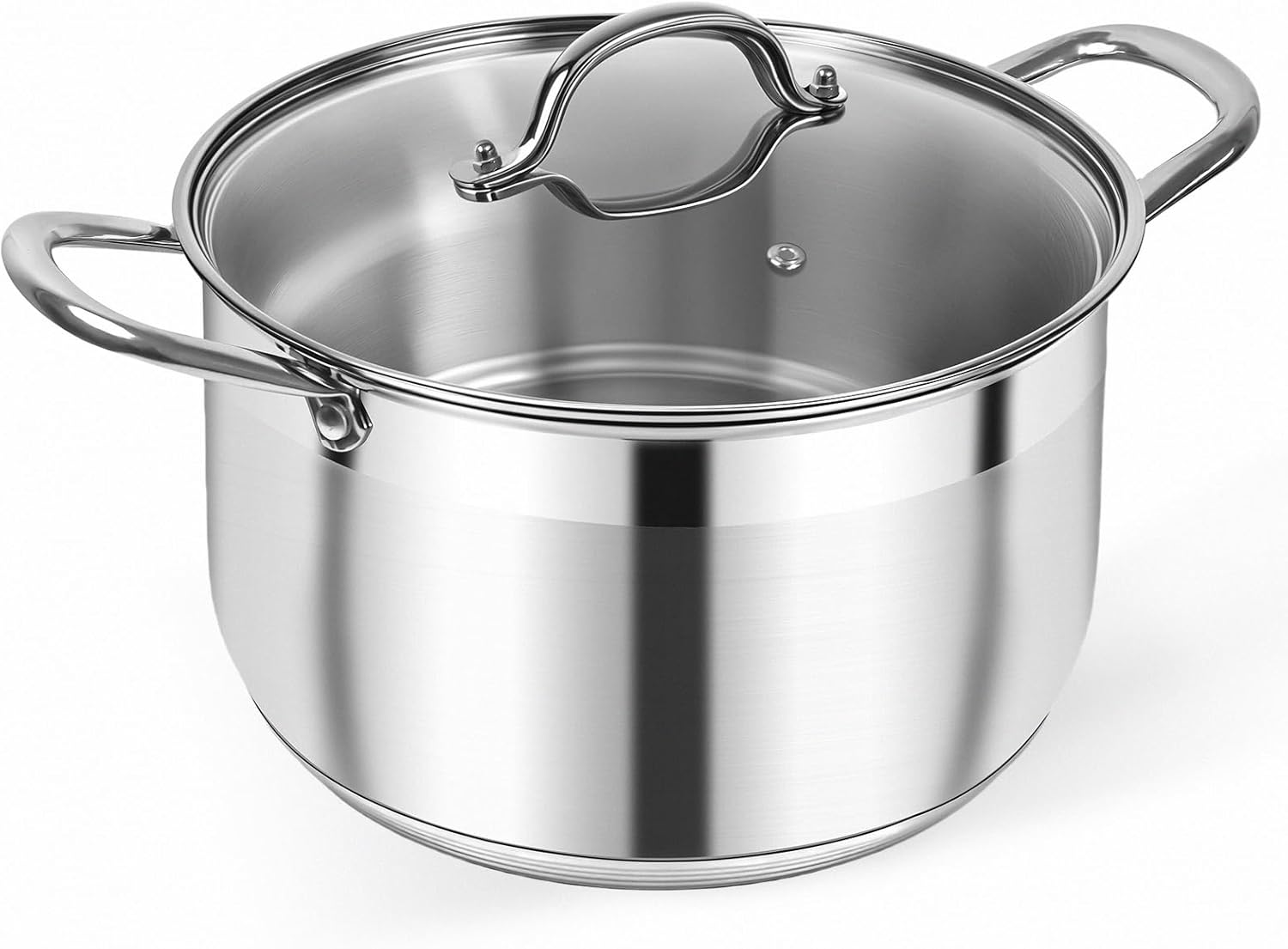 (paid link)
Stainless Steel Stockpot (8-Quart)
The right vessel for big-batch soups, bone broth, pasta, and crowd-sized comfort food recipes.
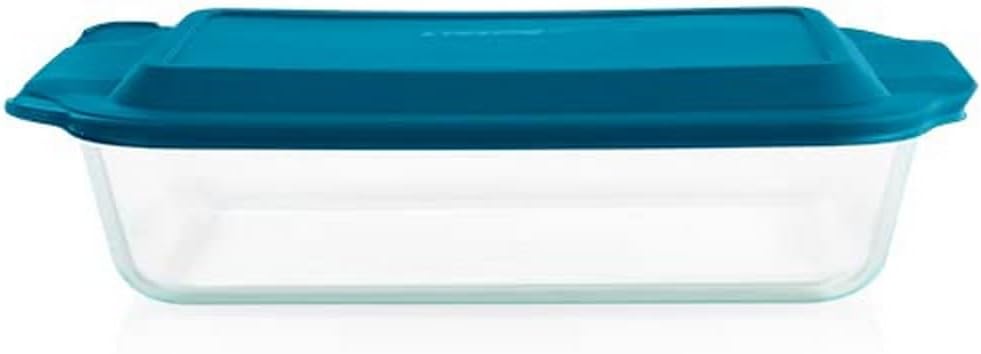 (paid link)
Glass Casserole Baking Dish (9×13) with Lid
From oven to table to fridge — perfect for lasagna, brownies, casseroles, and make-ahead meals.
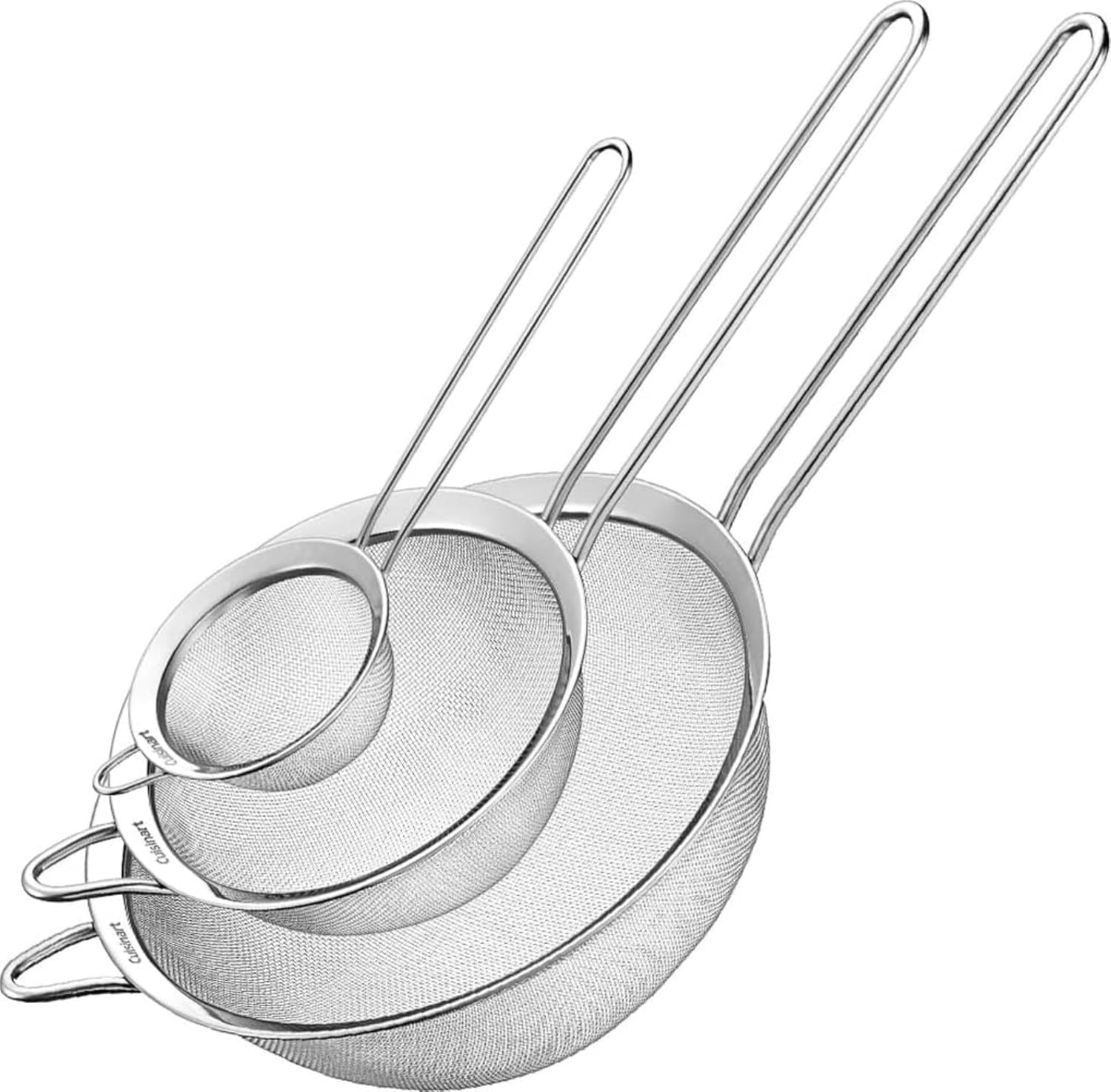 (paid link)
Fine Mesh Stainless Steel Strainer Set (3-Piece)
Strains stocks, rinses grains, dusts powdered sugar, and sieves dry ingredients with zero mess.