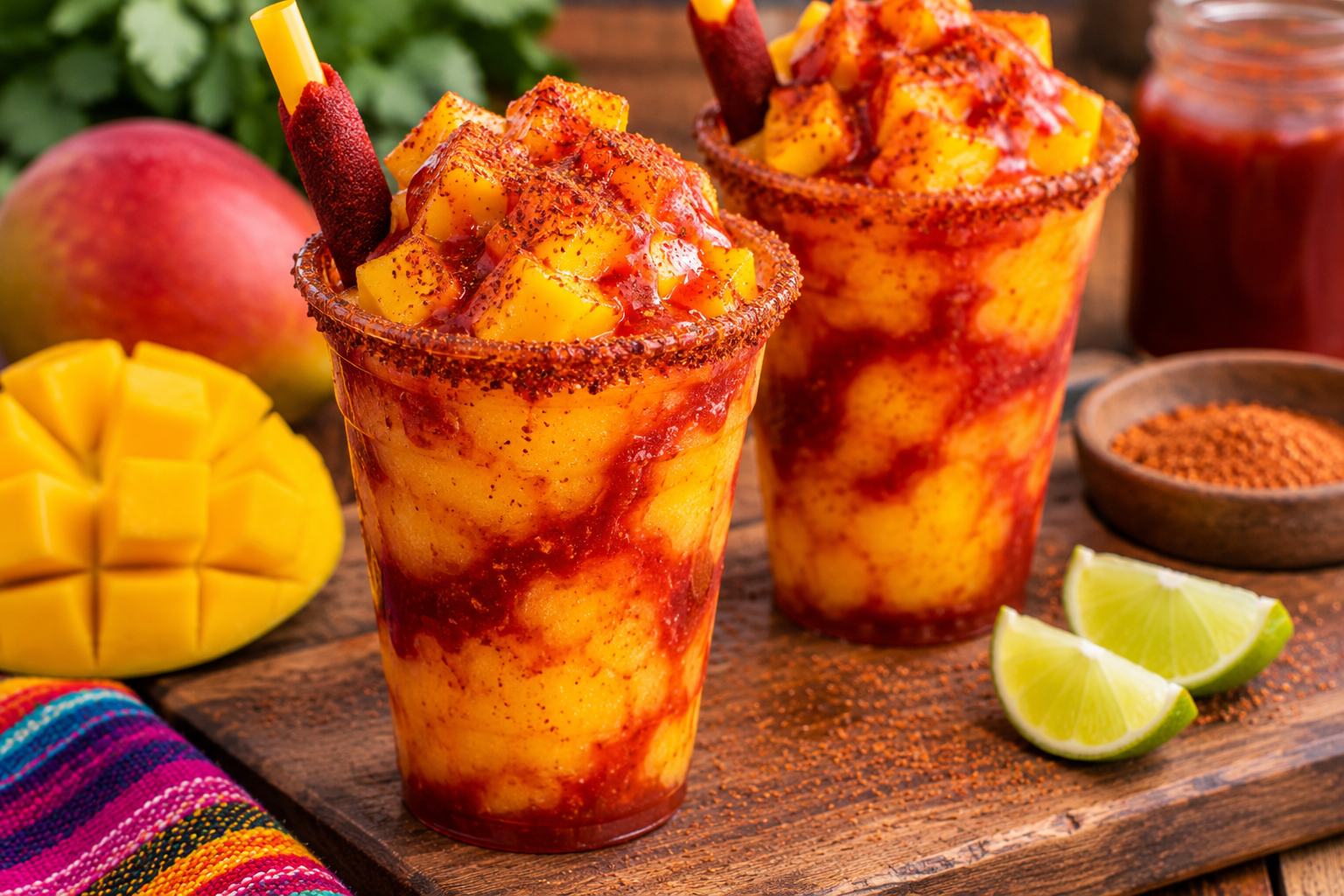
Authentic Mexican Mangonada with Chamoy and Tajín

A sweet-tart frozen mango drink layered with tangy chamoy, chile-lime seasoning, fresh mango, and a chili-rimmed glass for a classic Mexican street-snack treat.
Authentic Mexican Mangonada with Chamoy and Tajín
A sweet-tart frozen mango drink layered with tangy chamoy, chile-lime seasoning, fresh mango, and a chili-rimmed glass for a classic Mexican street-snack treat. This detailed guide follows the approved Better Home Recipes recipe record, including its ingredient quantities, cooking sequence, optional garnishes, and storage advice. The method is designed for a home kitchen and explains what to prepare first, what to watch during cooking, and when to add the finishing ingredients.
Prep time: 15 minutes | Cook time: 0 minutes | Total time: about 15 minutes | Servings: 2 | Difficulty: Easy
Introduction
A sweet-tart frozen mango drink layered with tangy chamoy, chile-lime seasoning, fresh mango, and a chili-rimmed glass for a classic Mexican street-snack treat. This detailed guide follows the approved Better Home Recipes recipe record, including its ingredient quantities, cooking sequence, optional garnishes, and storage advice. The method is designed for a home kitchen and explains what to prepare first, what to watch during cooking, and when to add the finishing ingredients.
A practical way to organize Authentic Mexican Mangonada with Chamoy and Tajín is to prepare the longest or most involved component first. While it cooks, measure the remaining seasonings, prepare garnishes, and set out serving dishes. Keep raw ingredients separate from ready-to-eat toppings and wash hands, boards, and utensils after handling raw meat. If the recipe includes a rest, simmer, soak, or chill, treat that time as part of the method rather than skipping it. These stages affect tenderness, moisture, or the way the finished sauce clings to the food.
Why You'll Enjoy This Recipe
A sweet-tart frozen mango drink layered with tangy chamoy, chile-lime seasoning, fresh mango, and a chili-rimmed glass for a classic Mexican street-snack treat. The recipe is satisfying because its ingredients contribute different flavors and textures rather than blending into one indistinct mixture. The cooking sequence is straightforward to follow once the ingredients are measured, and the finished dish can be served as written or adapted with the substitutions below. It is also useful to know which parts can be prepared ahead and which should be finished at the last moment; this guide explains how to protect the best texture.
This recipe makes 2 servings. If you need more, prepare ingredients in batches and use a pan large enough to avoid crowding. Doubling a recipe in the same small skillet can trap steam and reduce browning, and a larger pot may take longer to return to a simmer. If making a smaller amount, begin checking for doneness earlier because a reduced quantity may cook faster. Keep the proportions of the main ingredients and liquids balanced, and adjust seasoning only after tasting the finished mixture.
Ingredients You'll Need
The ingredients work together in a few clear roles. The main ingredients provide the structure and substance of Authentic Mexican Mangonada with Chamoy and Tajín; seasonings, aromatics, and chile build flavor; fats help with browning or create a smooth texture; and acidic or fresh finishing ingredients balance the finished dish. Measure the ingredients before you start and keep items used at different stages in separate bowls. This is especially helpful when the method moves quickly from browning to simmering or from cooking to assembly. The exact quantities below are the approved quantities and should be used as written for the first attempt.
- 3 cups (450 g) frozen mango chunks
- ½ cup (120 ml) mango nectar or cold water, plus more as needed
- 2 tbsp fresh lime juice
- 1–2 tbsp honey or agave syrup, optional, to taste
- ¼ cup (60 ml) chamoy sauce, divided
- 2 tbsp Tajín or chile-lime seasoning, divided
- 1 tbsp lime juice, for rimming glasses
- ½ cup (80 g) fresh mango, finely diced, for topping
- 2 tamarind candy straws or tamarind sticks, optional
- 2 lime wedges, for serving
- 2–4 ice cubes, only if needed for blending
Complete ingredient reference: 3 cups (450 g) frozen mango chunks; ½ cup (120 ml) mango nectar or cold water, plus more as needed; 2 tbsp fresh lime juice; 1–2 tbsp honey or agave syrup, optional, to taste; ¼ cup (60 ml) chamoy sauce, divided; 2 tbsp Tajín or chile-lime seasoning, divided; 1 tbsp lime juice, for rimming glasses; ½ cup (80 g) fresh mango, finely diced, for topping; 2 tamarind candy straws or tamarind sticks, optional; 2 lime wedges, for serving; 2–4 ice cubes, only if needed for blending. Items marked optional can be left out, but the other quantities are included to create the intended balance. If an ingredient is divided, use it at the stages described in the instructions rather than adding it all at once. Keep garnishes separate until serving, and check that you have the cooking fat, broth, seasoning, and finishing components before heating the pan.
Equipment
Prepare the following equipment: High-powered blender; two tall glasses; small plate for chile-lime seasoning; citrus juicer; spoon. Total time: 15 minutes (15 minutes prep + no cooking) Choose cookware with enough room for the ingredients to cook evenly. A heavy pan is useful for browning and steady heat; a sharp knife and stable cutting board make preparation safer and more consistent. Measuring cups and spoons help keep seasoning and moisture close to the intended balance. Arrange equipment before turning on the stove, keep pan handles turned inward, and use dry cloths or oven mitts for hot cookware.
If using a blender, follow the appliance instructions and do not seal very hot liquid in a closed blender jar. Set out a clean plate or tray for ingredients that need to be removed temporarily. Keep raw meat and its utensils separate from ready-to-eat garnishes, and wash the board and knife before using them for fresh produce.
How to Make Authentic Mexican Mangonada with Chamoy and Tajín
The cooking method for Authentic Mexican Mangonada with Chamoy and Tajín is arranged so that the ingredients are ready when they are needed. Read each step completely before beginning it. Use the listed times as a guide, but also look for the described signs of doneness, color, aroma, and consistency. Those cues are more reliable than the clock alone because stovetops, pans, and ingredient sizes vary.
Pour 1 tablespoon Tajín onto a small plate. Rub the rims of two tall glasses with lime juice, then dip each rim into the seasoning to coat. Set aside.
Complete this stage before moving on. Pay attention to the change in aroma, color, and texture described in the instruction. If the pan begins to cook too aggressively, lower the heat; if ingredients need more time to soften or brown, give them that time rather than rushing the next step. The sequence helps the flavors combine while keeping delicate ingredients from becoming overcooked.
Add frozen mango, mango nectar or water, 2 tablespoons lime juice, and honey or agave if using to a blender. Blend until thick and smooth, adding a little more liquid only if needed. The mixture should be spoonable, not watery.
Complete this stage before moving on. Pay attention to the change in aroma, color, and texture described in the instruction. If the pan begins to cook too aggressively, lower the heat; if ingredients need more time to soften or brown, give them that time rather than rushing the next step. The sequence helps the flavors combine while keeping delicate ingredients from becoming overcooked.
Drizzle about 1 tablespoon chamoy down the inside of each prepared glass, turning the glass so the sauce streaks the sides. Sprinkle a little Tajín inside each glass if desired.
Complete this stage before moving on. Pay attention to the change in aroma, color, and texture described in the instruction. If the pan begins to cook too aggressively, lower the heat; if ingredients need more time to soften or brown, give them that time rather than rushing the next step. The sequence helps the flavors combine while keeping delicate ingredients from becoming overcooked.
Divide half the mango slush between the glasses. Add a small drizzle of chamoy and a pinch of Tajín to each, then top with the remaining mango slush to create visible layers.
Complete this stage before moving on. Pay attention to the change in aroma, color, and texture described in the instruction. If the pan begins to cook too aggressively, lower the heat; if ingredients need more time to soften or brown, give them that time rather than rushing the next step. The sequence helps the flavors combine while keeping delicate ingredients from becoming overcooked.
Drizzle remaining chamoy over the tops. Add diced fresh mango and a light sprinkle of Tajín. Garnish with tamarind candy straws and lime wedges.
Complete this stage before moving on. Pay attention to the change in aroma, color, and texture described in the instruction. If the pan begins to cook too aggressively, lower the heat; if ingredients need more time to soften or brown, give them that time rather than rushing the next step. The sequence helps the flavors combine while keeping delicate ingredients from becoming overcooked.
Serve immediately with a wide straw or spoon so the thick mango slush and chamoy layers can be enjoyed together.
Complete this stage before moving on. Pay attention to the change in aroma, color, and texture described in the instruction. If the pan begins to cook too aggressively, lower the heat; if ingredients need more time to soften or brown, give them that time rather than rushing the next step. The sequence helps the flavors combine while keeping delicate ingredients from becoming overcooked.
Tips and Troubleshooting
Use fully frozen mango for a thick, scoopable texture. Add liquid gradually; too much makes the drink thin and melts the layered look. Taste the mango before sweetening because ripe mango and chamoy can already be sweet. Adjust Tajín to taste and use a light hand at first because the seasoning contains salt. For a colder, thicker drink, chill the glasses before assembling.
Start with the most important texture requirement for this recipe: A sweet-tart frozen mango drink layered with tangy chamoy, chile-lime seasoning, fresh mango, and a chili-rimmed glass for a classic Mexican street-snack treat. If the pan is crowded, cook in batches so ingredients brown rather than steam. If a sauce or mixture becomes too thick, add liquid in small measured amounts; if it is too loose, allow it to cook uncovered when the recipe permits. Avoid turning the heat up sharply to speed up a step, because that can scorch aromatics or overcook the outside before the center is ready. Taste near the end and adjust salt, acidity, or heat gradually. When meat is included, use an instant-read thermometer and follow the safe temperature specified in the recipe method.
A practical way to organize Authentic Mexican Mangonada with Chamoy and Tajín is to prepare the longest or most involved component first. While it cooks, measure the remaining seasonings, prepare garnishes, and set out serving dishes. Keep raw ingredients separate from ready-to-eat toppings and wash hands, boards, and utensils after handling raw meat. If the recipe includes a rest, simmer, soak, or chill, treat that time as part of the method rather than skipping it. These stages affect tenderness, moisture, or the way the finished sauce clings to the food.
Easy Variations
Fresh ripe mango can be cubed and frozen for at least 4 hours. Mango nectar can be replaced with orange juice, pineapple juice, or cold water. If chamoy is unavailable, use a tart plum or apricot sauce with a little lime and chile as an approximation; the flavor will not be identical. Use a mild chile-lime seasoning if Tajín is unavailable.
For the first attempt, keep the core proportions intact and change one ingredient at a time. If people at the table prefer different heat levels, offer hot sauce or extra chile separately rather than increasing the heat throughout the batch. Choose substitutions with a similar purpose: a crumbly salty cheese for another crumbly cheese, a neutral cooking oil for another neutral oil, or a similar cooking cut for the same method. Some substitutions change moisture or cooking time, so check the texture and doneness rather than assuming the original timing will always apply.
What to Serve With It
Serve Authentic Mexican Mangonada with Chamoy and Tajín with accompaniments that complement rather than compete with its main flavors. Fresh vegetables, herbs, citrus, beans, rice, or a simple salad can balance a richer dish; for a snack, dip, or drink, choose a light savory accompaniment. Add crisp toppings, herbs, citrus, and sauces at the last moment so they retain their freshness and texture.
For a balanced meal, think about contrast. A rich or creamy recipe benefits from crisp vegetables, fresh herbs, or citrus. A lighter snack or condiment can be paired with beans, grains, or a protein. Keep chilled garnishes and sauces refrigerated until serving, and add them at the table when possible so they retain their intended texture.
Make-Ahead, Storage, and Reheating
Mangonada is best served immediately. Leftover mango puree can be frozen in an airtight container for up to 1 month; thaw just enough to reblend with a splash of mango nectar. Do not refrigerate an assembled drink for later because it melts and the layers separate.
Cool cooked food promptly and refrigerate it in shallow, covered containers. Reheat only the portion you plan to eat, and heat leftovers until steaming hot throughout. Keep crisp components, fresh vegetables, and delicate garnishes separate from moist fillings or sauces whenever possible. This is particularly important for dishes that rely on a crisp shell, crunchy topping, or freshly blended frozen texture. When freezing is not recommended, follow that advice rather than expecting the original texture to return after thawing.
Frequently Asked Questions
Can I make mangonadas without a high-powered blender?
Yes. Let frozen mango soften for 5 minutes and blend in batches, adding nectar a tablespoon at a time until smooth.
Is Tajín very spicy?
It is generally tangy, salty, and mildly spicy. Start with a small amount and add more to taste.
Can I adjust the seasoning?
Yes. Taste near the end and make small adjustments. Add salt gradually because cheese, broth, canned ingredients, and prepared sauces vary by brand. Lime or another acidic garnish can brighten a rich dish, while optional chile or hot sauce can increase heat at the table without changing the whole batch.
Can I prepare parts of the recipe in advance?
Often, yes. The storage notes above identify which components hold well and which are best made fresh. In general, prepare sauces, cooked fillings, or measured ingredients ahead when the recipe allows, but keep crisp shells, fresh herbs, cut avocado, fried eggs, or frozen drinks separate until serving.
How do I know when the recipe is ready?
Use the doneness and texture cues in the numbered method. Cooking times vary with ingredient size, cookware, and burner strength. For meat, use a food thermometer when a safe internal temperature is given. For sauces and mixtures, look for the described thickness, color, and aroma rather than relying on time alone.
Closing Thoughts
Authentic Mexican Mangonada with Chamoy and Tajín is easiest to prepare when the ingredients are measured first and each stage is allowed to reach its intended texture. Keep the cooking sequence in order, make small adjustments rather than large last-minute changes, and add fresh garnishes at the point when they will taste brightest. The recipe quantities and numbered method above match the approved Better Home Recipes record, while the troubleshooting and storage notes help make the dish practical for everyday home cooking.
Additional Planning Notes
Before starting, clear enough counter space for a cutting board, ingredient bowls, and a tray for cooked components. This reduces the chance of mixing up ingredients or leaving something on the heat while looking for equipment. If several people are helping, assign separate tasks such as chopping produce, measuring seasonings, or setting the table. Keep hot pans away from the edge of the counter and use a stable surface when transferring food from the stove.
When the dish is ready, taste a small portion before serving. Consider whether the seasoning is balanced and whether the texture matches the description. If a sauce needs loosening, add a little of the specified liquid; if it needs thickening, use the method's simmering or resting stage rather than adding an unlisted thickener. Keep toppings in separate bowls until the last moment. That way, each serving can be finished freshly, and leftovers can be stored without turning crisp ingredients soft.
Ready to make something?
Turn inspiration into dinner.
Browse our tested recipes for practical step-by-step ideas, weeknight favorites and something delicious to try next.
Find your next recipe →Helpful Tools for This Recipe
Disclosure: Affiliate disclosure: This post contains affiliate links. As an Amazon Associate I earn from qualifying purchases at no extra cost to you.
 (paid link)
Pre-Seasoned Cast Iron Skillet (10.25-inch)
Provides exceptional heat retention and unbeatable browning for chicken, steaks, and skillet pastas.
 (paid link)
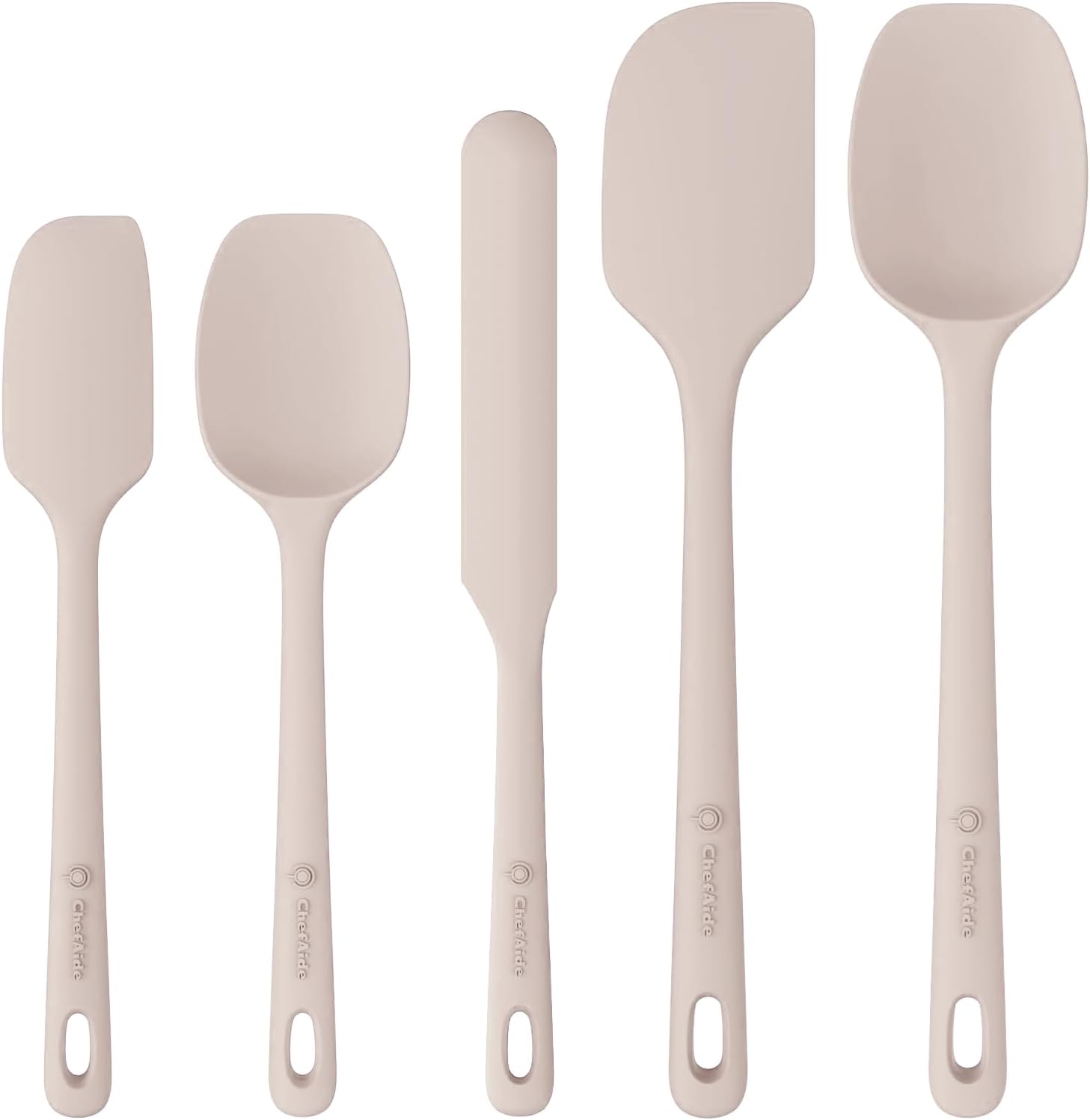
Heat-Resistant Seamless Silicone Spatula Set
Withstands up to 450°F and scrapes nonstick pans cleanly without scratching protective coatings.
 (paid link)
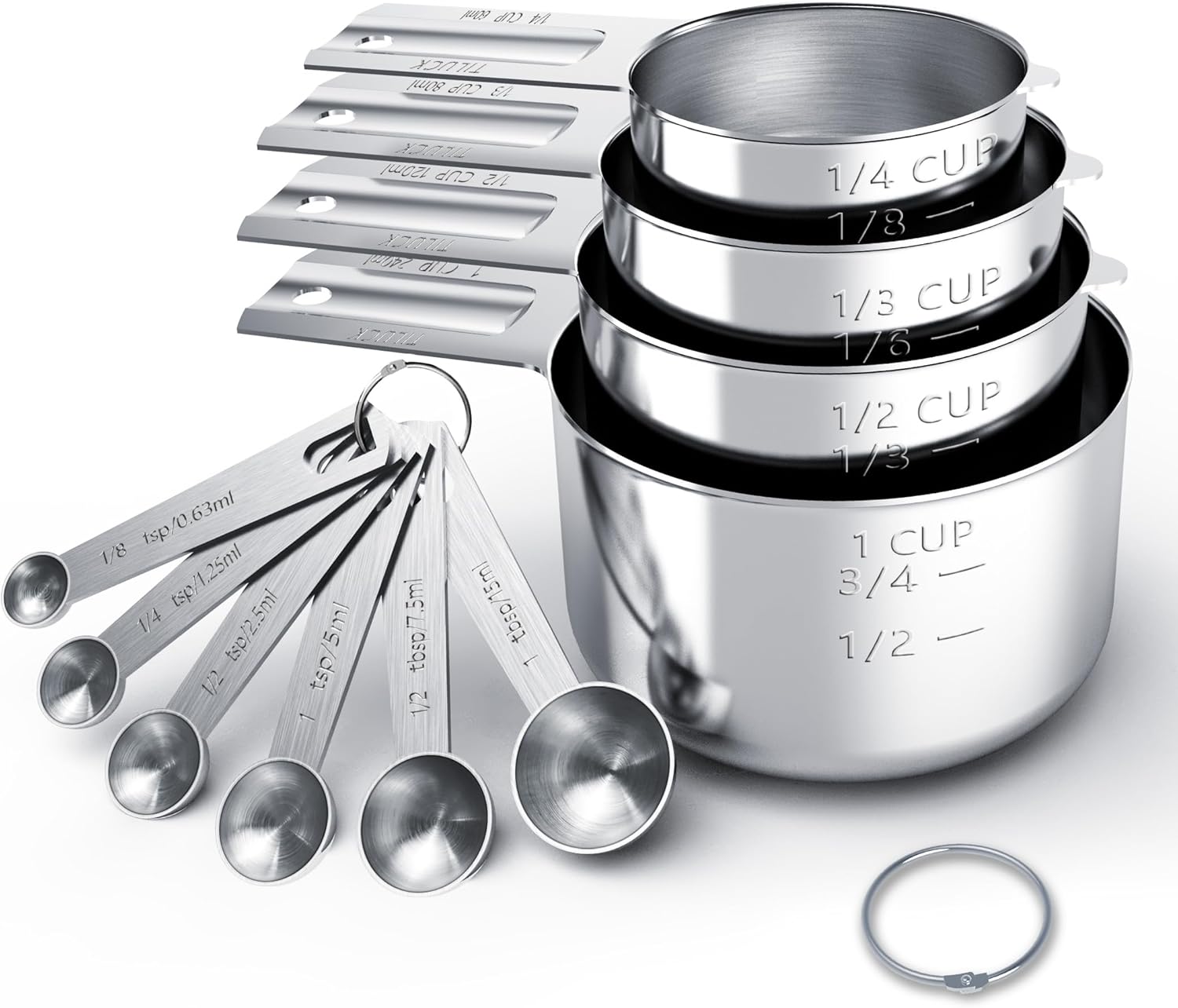
Heavy-Gauge Stainless Steel Measuring Cups & Spoons
Etched measurement markings never fade through dishwashing, ensuring precise seasoning balance.