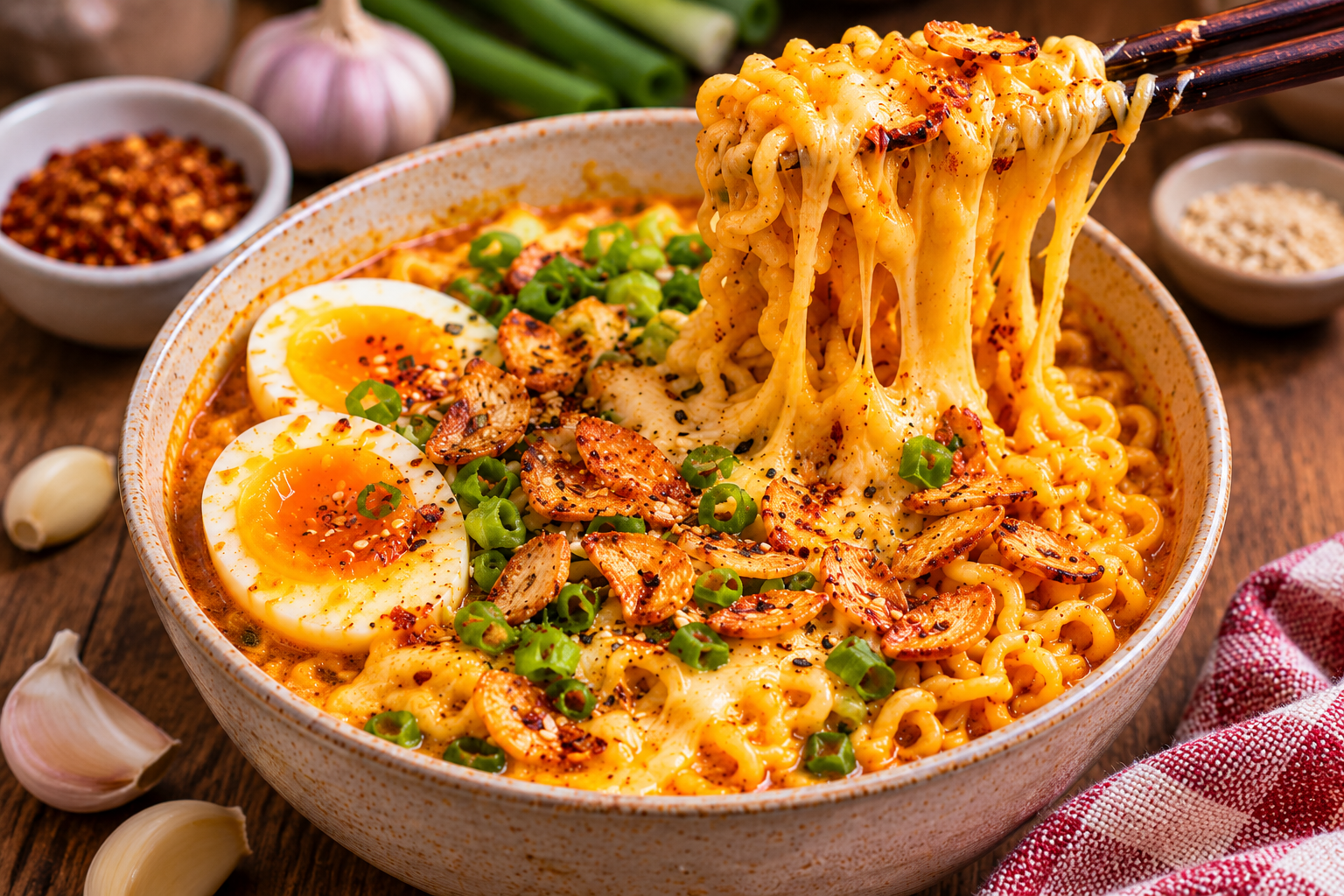
Cheesy Korean Ramen with Crispy Garlic Butter

Instant ramen gets tossed in a creamy gochujang cheese sauce and topped with crisp garlic, scallions, and sesame.
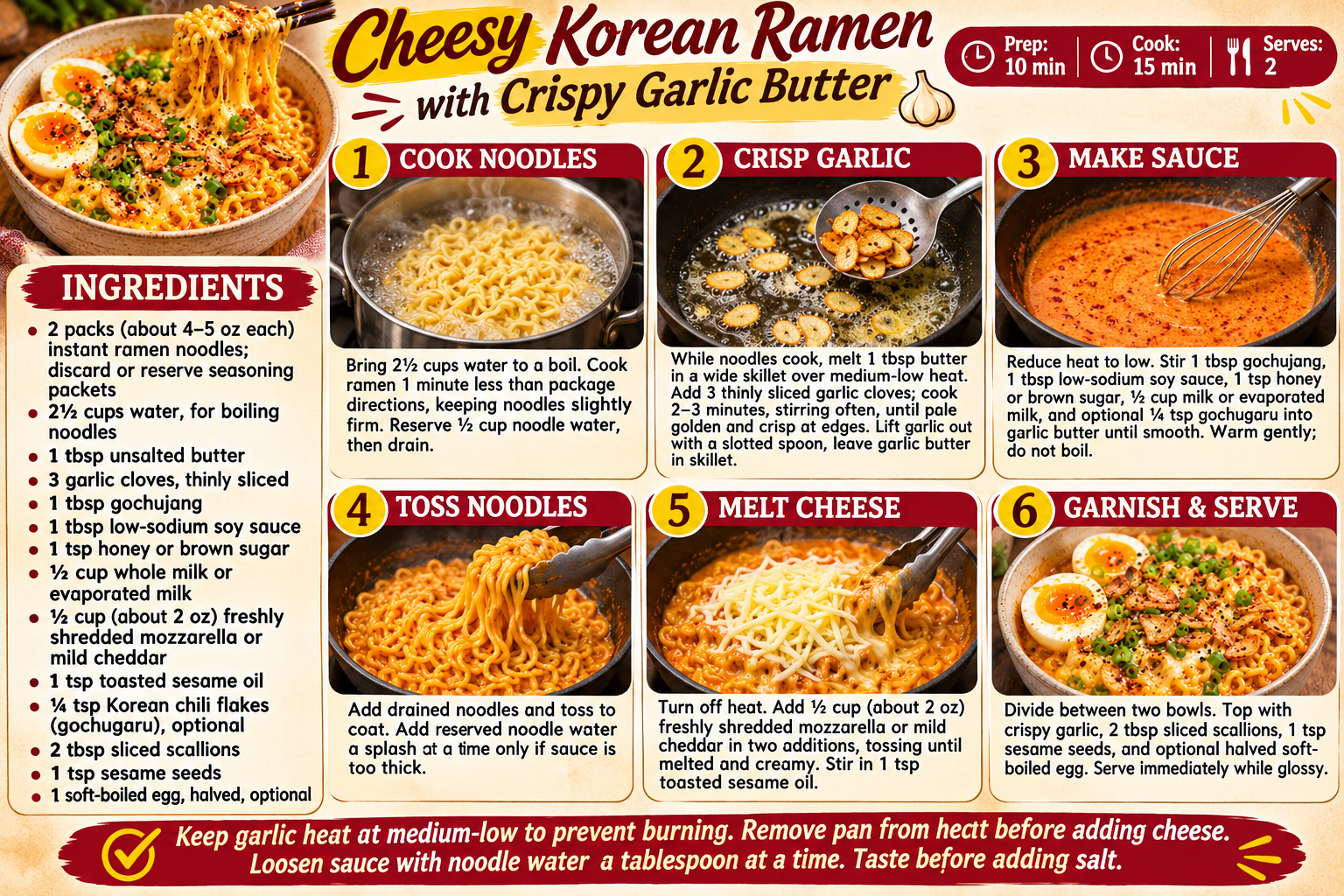
Cheesy Korean Ramen with Crispy Garlic Butter
Cheesy Korean ramen with crispy garlic butter turns two packs of instant noodles into a quick, rich, spicy bowl with plenty of texture. The noodles are cooked just shy of tender, then tossed in a warm sauce made from butter, gochujang, soy sauce, a little honey, and milk. Freshly shredded cheese melts into the sauce off the heat, while thin slices of garlic are cooked in butter until golden and crisp. Scallions and sesame seeds finish the bowls with freshness and crunch.
This recipe makes two servings and takes about 10 minutes to prepare and 15 minutes to cook. It is designed as a fast lunch or dinner, not a long simmered noodle soup. The sauce should cling to the noodles rather than pool at the bottom. Reserve some noodle water before draining so you can loosen the sauce if needed, and add the cheese only after turning off the heat to help it melt smoothly.
Why You’ll Enjoy This Recipe
It upgrades pantry noodles quickly. Instant ramen is inexpensive and cooks in minutes. Gochujang, soy sauce, butter, and cheese transform the noodles without requiring a long ingredient list.
The sauce balances heat and creaminess. Gochujang contributes fermented chili depth, honey softens its sharp edge, milk creates a creamy base, and cheese adds richness. You can adjust the chili level to suit your preference.
Crispy garlic adds contrast. Sliced garlic cooks gently in butter until its edges turn golden. Removing it before making the sauce keeps the garlic crisp enough to sprinkle over the finished noodles.
It is easy to customize. Choose mozzarella for a stretchy finish or mild cheddar for a more pronounced cheese flavor. A soft-boiled egg is optional if you want a more filling bowl.
Ingredients You’ll Need
Instant ramen noodles (2 packs, about 4–5 oz each): Use the noodle cakes from two packs. The seasoning packets can be discarded or reserved; this recipe gets its flavor from the sauce, and the packets may make it too salty.
Water (2½ cups): This is for boiling the noodles. Reserve ½ cup of the noodle water before draining; the starch in it can help loosen and bind the sauce.
Butter (1 tablespoon) and garlic (3 cloves): Butter carries the garlic flavor. Slice the cloves thinly and evenly so they cook at a similar rate.
Gochujang (1 tablespoon), low-sodium soy sauce (1 tablespoon), and honey or brown sugar (1 teaspoon): These create the Korean-inspired spicy-salty-sweet base. Gochujang varies in heat and saltiness by brand, so taste before adding extra seasoning.
Milk (½ cup) and shredded cheese (½ cup, about 2 oz): Whole milk or evaporated milk creates the creamy sauce. Use freshly shredded mozzarella or mild cheddar for the smoothest melt.
Sesame oil (1 teaspoon), optional gochugaru (¼ teaspoon), scallions (2 tablespoons), and sesame seeds (1 teaspoon): Toasted sesame oil adds aroma, while Korean chili flakes increase heat. Scallions and sesame seeds finish the dish. One soft-boiled egg, halved, is optional.
Equipment
Use a saucepan to boil the noodles, a colander to drain them, and a wide skillet to crisp the garlic and make the sauce. A slotted spoon helps lift out the garlic without removing the butter. You will also need a knife and cutting board for the garlic and scallions, plus a measuring cup for reserving noodle water.
How to Make Cheesy Korean Ramen
- Boil the noodles. Bring 2½ cups water to a boil in a saucepan. Cook the ramen for 1 minute less than the package directs so the noodles remain slightly firm. Reserve ½ cup noodle water, then drain the noodles.
- Crisp the garlic. While the noodles cook, melt 1 tablespoon butter in a wide skillet over medium-low heat. Add the thinly sliced garlic and cook for 2–3 minutes, stirring often, until pale golden and crisp at the edges. Garlic continues to darken after it leaves the pan, so remove it before it becomes deep brown. Use a slotted spoon to transfer it to a small plate, leaving the garlic butter in the skillet.
- Build the sauce. Reduce the skillet heat to low. Stir in the gochujang, soy sauce, honey or brown sugar, milk, and optional gochugaru. Mix until smooth and warm gently. Do not let the milk boil.
- Toss the noodles. Add the drained noodles and toss until coated. If the sauce looks too thick, add reserved noodle water a tablespoon at a time until it clings to the noodles without becoming watery.
- Melt in the cheese. Turn off the heat. Add the shredded cheese in two additions, tossing after each until melted and creamy. Stir in the toasted sesame oil. If the sauce tightens, loosen it with another small splash of noodle water.
- Finish and serve. Divide the noodles between two bowls. Top with the crispy garlic, sliced scallions, sesame seeds, and optional soft-boiled egg. Serve immediately while the sauce is glossy.
Tips and Troubleshooting
Cook the noodles just shy of done. They continue to soften when tossed in the warm sauce. Cooking them fully in the saucepan can leave them too soft by the time the cheese melts.
Keep the garlic heat gentle. Thin garlic slices can burn quickly. Use medium-low heat and stir often. Pale golden garlic has a sweeter, crisp finish; dark brown garlic can taste bitter.
Do not boil the milk sauce. Warm the gochujang mixture gently, then turn off the heat before adding cheese. High heat can make cheese sauces oily or grainy.
Add cheese gradually. Freshly shredded cheese melts more evenly than pre-shredded cheese. Add it in two batches and toss between additions.
Use noodle water slowly. Starchy water helps the sauce coat the noodles. Add a tablespoon at a time; too much can dilute the flavor.
Taste before salting. Instant noodles, gochujang, and soy sauce all contain salt. You may not need any extra salt, especially if you use the ramen seasoning packet.
Easy Variations
For a milder bowl, reduce the gochujang to 1–2 teaspoons and leave out the gochugaru. Add a little extra soy sauce if needed. For more heat, increase the chili flakes slightly or finish with a small spoonful of chili oil. Use cheddar for a sharper cheese flavor or mozzarella for a stretchy texture. Udon or other wheat noodles can replace instant ramen, but cook them according to their package directions and adjust the reserved cooking liquid as needed. A soft-boiled egg is a simple optional topping; sliced mushrooms or spinach can also be cooked briefly in the sauce, though these additions are not part of the base recipe.
What to Serve With Cheesy Korean Ramen
The noodles are rich, so fresh or lightly seasoned sides work best. Serve with cucumber salad, steamed broccoli, quick-pickled vegetables, or a small portion of kimchi. If serving as a larger meal, add the optional soft-boiled egg. Keep side dishes simple so the spicy, cheesy noodles remain the main focus.
Make-Ahead, Storage, and Reheating
This ramen is best eaten immediately because the noodles continue absorbing sauce as they sit and the crispy garlic softens. For faster preparation, slice the garlic, shred the cheese, and measure the sauce ingredients ahead of time. Cook and sauce the noodles just before serving.
Refrigerate leftovers in an airtight container for up to 2 days. Reheat gently in a skillet over low heat with 1–2 tablespoons milk or water, tossing until warmed. Avoid high heat and do not boil the sauce. The garlic topping will lose its crispness in storage; if possible, make a fresh small batch to add after reheating.
Frequently Asked Questions
Can I make this ramen less spicy?
Yes. Reduce the gochujang to 1–2 teaspoons and omit the Korean chili flakes. Taste the sauce and add a little more soy sauce if you want to maintain its savory balance.
Why did my cheese sauce turn grainy?
The sauce may have been too hot when the cheese was added. Turn off the heat before adding cheese, use freshly shredded cheese, and stir it in gradually.
Can I use the ramen seasoning packets?
You can reserve them, but the sauce already contains gochujang and soy sauce. Start without the packets and add only a small amount if the finished noodles need more seasoning.
Can I use a different noodle?
Yes. Udon or another wheat noodle can work. Cook it according to its package directions and reserve a little cooking water if it is starchy enough to help loosen the sauce.
A Fast, Creamy Noodle Bowl
Cheesy Korean Ramen with Crispy Garlic Butter is a quick way to make instant noodles feel like a complete, flavorful bowl. Keep the garlic golden rather than dark, warm the sauce gently, and add cheese off the heat. Finish with scallions and sesame seeds, then serve right away for the best creamy texture.
Ready to make something?
Turn inspiration into dinner.
Browse our tested recipes for practical step-by-step ideas, weeknight favorites and something delicious to try next.
Find your next recipe →Helpful Tools for This Recipe
Disclosure: Affiliate disclosure: This post contains affiliate links. As an Amazon Associate I earn from qualifying purchases at no extra cost to you.
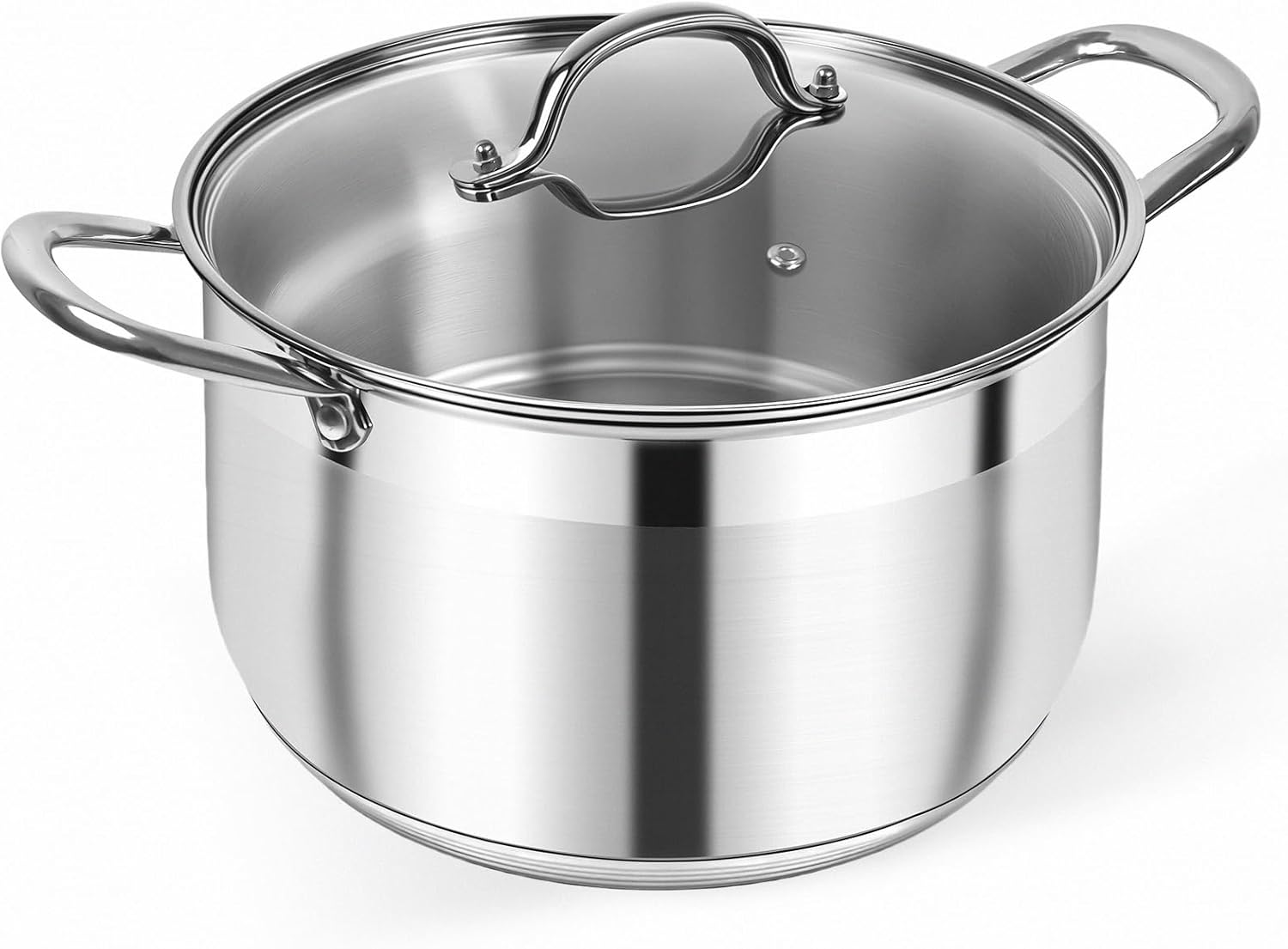 (paid link)
Stainless Steel Stockpot (8-Quart)
The right vessel for big-batch soups, bone broth, pasta, and crowd-sized comfort food recipes.
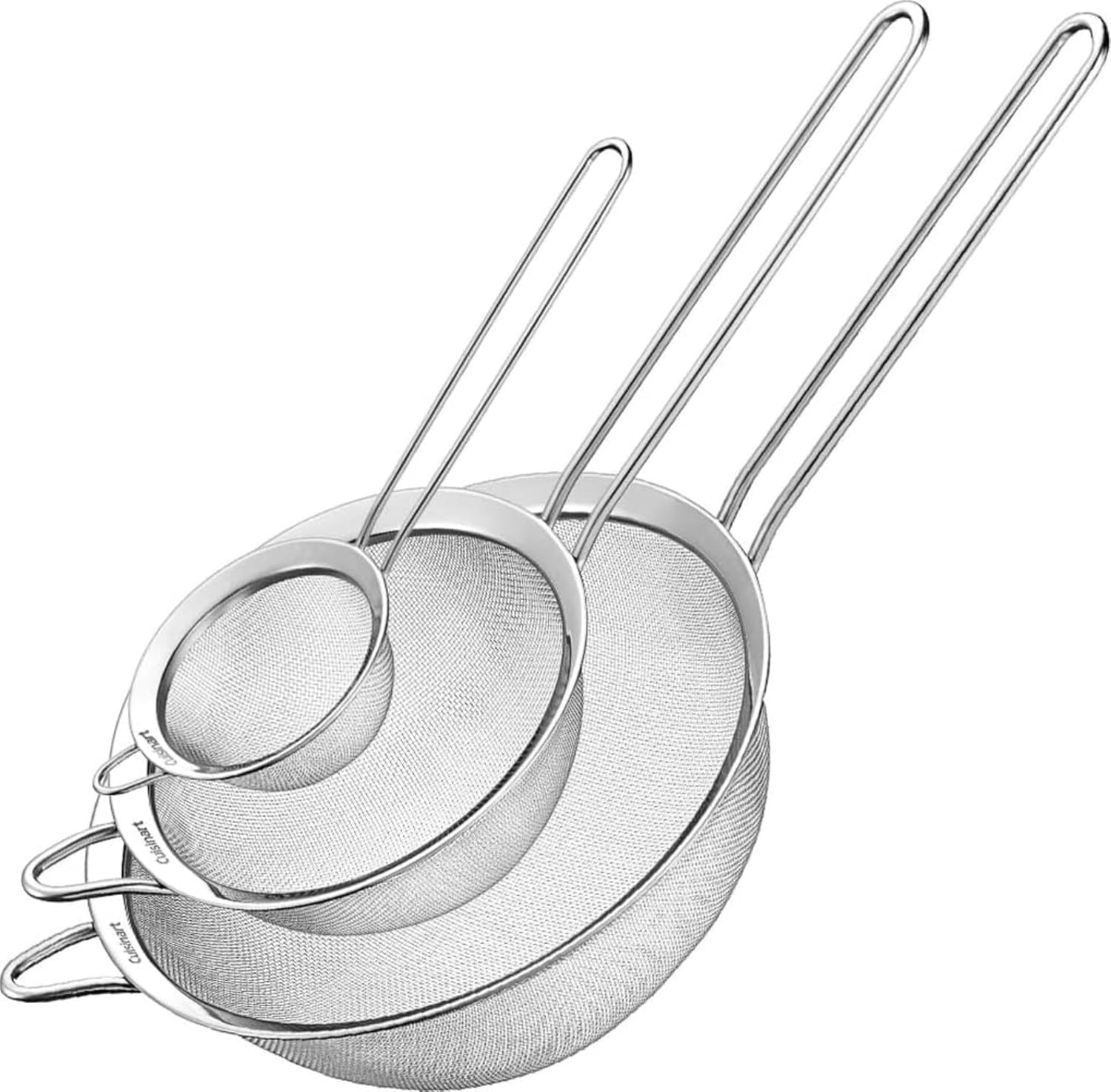 (paid link)
Fine Mesh Stainless Steel Strainer Set (3-Piece)
Strains stocks, rinses grains, dusts powdered sugar, and sieves dry ingredients with zero mess.
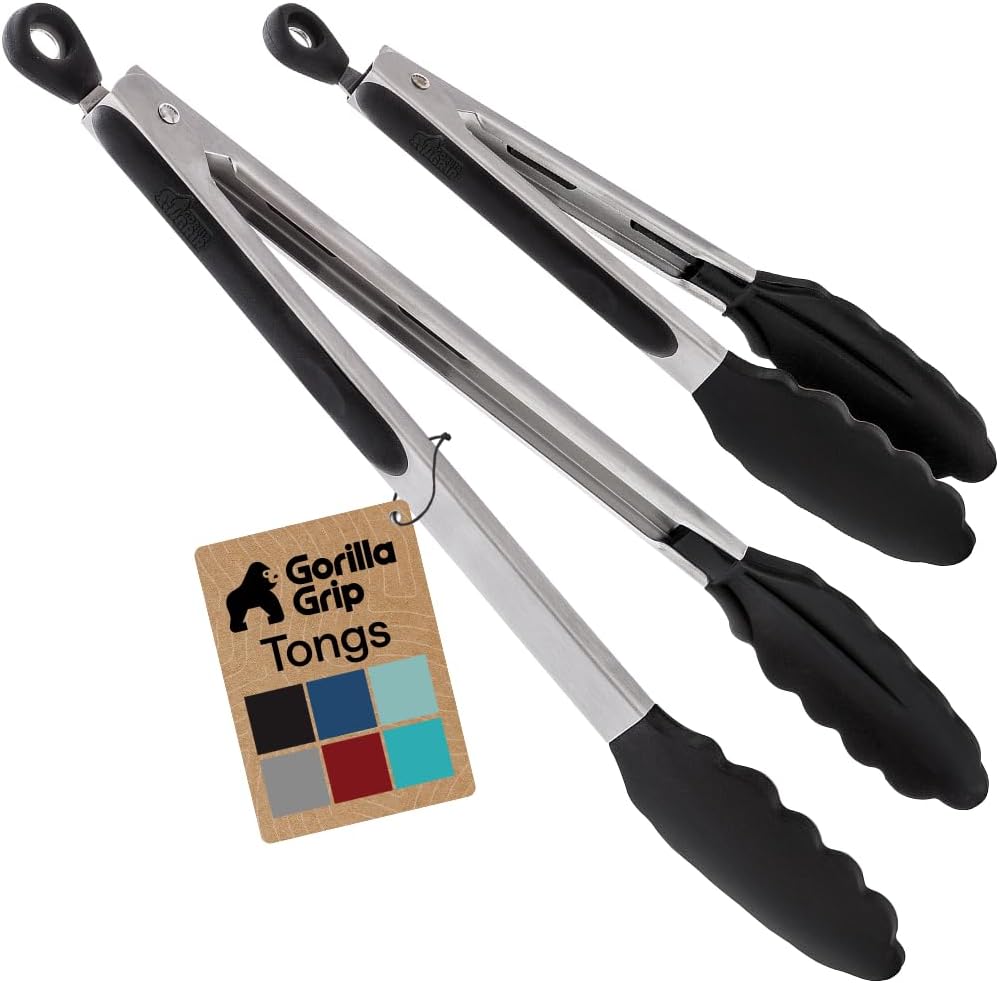 (paid link)
Stainless Steel Locking Kitchen Tongs with Silicone Tips
Gives secure control when flipping chicken breasts, searing meats, or tossing hot pasta.