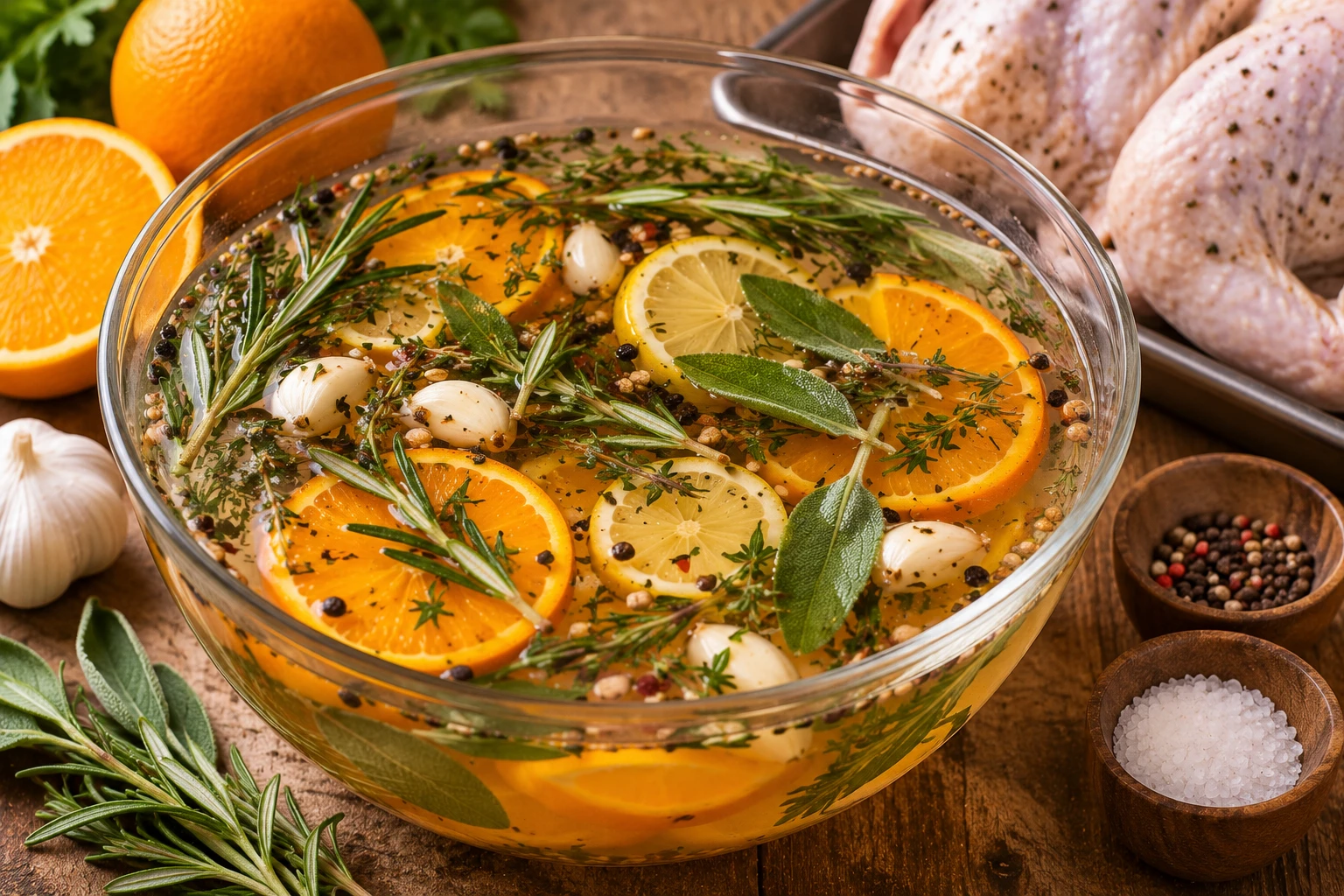
Citrus Herb Turkey Brine with Garlic, Rosemary and Sage

A fragrant wet brine of citrus, garlic, rosemary, sage, thyme, peppercorns, and brown sugar designed to season a whole turkey and help it stay juicy when roasted.
Citrus Herb Turkey Brine with Garlic, Rosemary and Sage
Prep time: 20 minutes | Cook time: 10 minutes | Servings: 12 | Difficulty: Easy
Introduction
Citrus Herb Turkey Brine with Garlic, Rosemary and Sage is a fragrant wet brine designed for a fully thawed, unseasoned 12–14 pound turkey. Orange and lemon bring a fresh citrus aroma, while garlic, rosemary, sage, thyme, peppercorns, and bay leaves infuse the salt-and-sugar solution with savory notes. Brining seasons the bird before roasting, and the measured salt helps the meat retain moisture during cooking. The most important part of the process is food safety: the brine must be completely cold before it touches the turkey, and the bird must remain refrigerated throughout the brining time.
Why You'll Enjoy This Recipe
A brine gives seasoning time to distribute through the turkey rather than relying only on the surface. Salt is the essential ingredient; brown sugar balances its sharpness, while citrus and herbs contribute aroma. Heating part of the water helps dissolve the salt and sugar and releases fragrance from the aromatics. The remaining cold water and ice bring the mixture down to a safe temperature before use. This method is useful for a holiday centerpiece or another occasion when you want to prepare the turkey a day ahead, but it is not suitable for birds that have already been salted or injected.
Ingredients You'll Need
- 1 gallon (3.8 L) cold water, divided
- ¾ cup (about 100 g) Diamond Crystal kosher salt OR ½ cup (about 120 g) Morton kosher salt (do not use table salt by volume)
- ½ cup (100 g) packed light brown sugar
- 1 orange, thinly sliced
- 1 lemon, thinly sliced
- 1 head garlic, halved crosswise
- 4 fresh rosemary sprigs
- 8 fresh sage leaves
- 6 fresh thyme sprigs
- 1 tbsp whole black peppercorns
- 2 bay leaves
- 2 cups ice, to help chill the brine if needed
- 1 whole turkey, 12–14 lb (5.5–6.5 kg), fully thawed and not already salted or injected
Use kosher salt measured according to the brand specified in the recipe: ¾ cup Diamond Crystal or ½ cup Morton. These salts have different crystal densities, so they are not interchangeable by volume. Do not substitute table salt at the same volume. Brown sugar adds mild sweetness, while orange, lemon, garlic, rosemary, sage, and thyme create the aromatic profile. Whole peppercorns and bay leaves add background flavor. The recipe is sized for a 12–14 pound turkey that is fully thawed and not labeled kosher, self-basting, enhanced, injected, or pre-brined. Those birds already contain added salt and can become unpleasantly salty if brined again.
Equipment
large stockpot, measuring cups, long spoon, food thermometer, food-safe brining bag or nonreactive food-grade container, refrigerator space, and paper towels.
How to Make the Recipe
Follow these steps in order. Prepare the ingredients before you begin, and use the visual and temperature cues as well as the timing to judge doneness.
- First check the turkey label. Do not brine a self-basting, kosher, enhanced, injected, or pre-brined turkey; it may become too salty. Remove giblets and neck from a plain, fully thawed turkey and keep the turkey refrigerated.
- In a large pot, combine 2 quarts (1.9 L) water, kosher salt, and brown sugar. Warm over medium heat, stirring just until salt and sugar dissolve; do not boil.
- Remove from heat. Add orange, lemon, garlic, rosemary, sage, thyme, peppercorns, and bay leaves. Let steep 10 minutes.
- Add remaining 2 quarts cold water and the ice. Chill the brine completely to 40°F (4°C) or below before it touches the turkey. If needed, refrigerate until cold.
- Place turkey breast-side down in a food-safe brining bag or nonreactive container large enough to keep it fully submerged. Pour in the cold brine. Add a little more cold water only if needed to cover, and keep the container in a refrigerator at 40°F (4°C) or colder for 12–18 hours.
- Remove turkey from the brine and discard the brine. Do not reuse it. Do not rinse the raw turkey; pat it thoroughly dry with paper towels. Roast according to your preferred turkey recipe, taking care not to add extra salt to the skin or pan seasoning.
- Before serving, verify the turkey reaches 165°F (74°C) in the thickest part of the breast and the innermost thigh and wing areas, without touching bone.
Tips and Troubleshooting
Read the turkey label before preparing the brine. If the bird is pre-brined, enhanced, kosher, or self-basting, skip this recipe. Dissolve salt and sugar in only half the water, steep the aromatics off the heat, then add the remaining cold water and ice. Use a food thermometer to confirm the brine is at or below 40°F (4°C) before adding the turkey. Keep the container in a refrigerator at or below that temperature for 12–18 hours; never leave raw poultry in brine on the counter. Keep the bird submerged in a food-safe bag or nonreactive container. After brining, discard the liquid, do not rinse the raw turkey, and pat it dry with paper towels. Cook the turkey promptly and verify 165°F (74°C) in the thickest breast and innermost thigh and wing areas.
Easy Variations
You can shift the citrus balance by using a little more orange or lemon, but keep the total water and salt amounts consistent. Marjoram can replace thyme, and maple syrup can replace brown sugar. Do not reduce the salt substantially if you expect the same brining effect. This brine is formulated for a whole turkey of the stated size; for a much larger bird, use a properly scaled recipe and enough refrigerator-safe space rather than simply adding water until the container is full. Avoid adding extra salty seasoning to the skin after brining.
Use extra lemon or orange in place of the other citrus; replace thyme with marjoram; maple syrup can replace brown sugar. Do not reduce salt substantially and expect the same brining effect.
What to Serve With It
The brine is a preparation step rather than a finished dish, so serve the roasted turkey with sides that complement its citrus and herb notes. Roasted potatoes, green beans, glazed carrots, stuffing, cranberry sauce, and a bright salad all work well. Because the turkey has already been seasoned internally, taste pan drippings before adding salt to gravy. If you make gravy from the roasting pan, start with unsalted or low-sodium stock and adjust only after tasting.
Make-Ahead, Storage, and Reheating
The brine itself can be made up to 3 days ahead and refrigerated in a sealed container; cool it fully before use. Once turkey is brined, cook it promptly. Do not store or reuse raw brine. Leftover cooked turkey should be refrigerated within 2 hours and used within 3–4 days. Reheat cooked turkey slices covered with a splash of broth to 165°F (74°C).
Frequently Asked Questions
How long should I brine a 12–14 pound turkey?
Refrigerate it fully submerged for 12–18 hours. Longer brining can make the texture overly salty or cured.
Should I rinse the turkey after brining?
No. Discard the brine and pat the turkey dry with paper towels. Rinsing raw poultry can spread bacteria around the kitchen.
Closing Thoughts
A well-balanced brine can help prepare a flavorful turkey, but careful handling matters more than extra ingredients. Confirm that the bird is not already salted, measure the correct kosher salt for its brand, chill the brine completely, and keep the turkey refrigerated for the full 12–18 hours. Discard used brine and cook the bird to a safe internal temperature. Those steps make this citrus-herb brine a reliable part of holiday preparation.
Ready to make something?
Turn inspiration into dinner.
Browse our tested recipes for practical step-by-step ideas, weeknight favorites and something delicious to try next.
Find your next recipe →Helpful Tools for This Recipe
Disclosure: Affiliate disclosure: This post contains affiliate links. As an Amazon Associate I earn from qualifying purchases at no extra cost to you.
 (paid link)
Pre-Seasoned Cast Iron Skillet (10.25-inch)
Provides exceptional heat retention and unbeatable browning for chicken, steaks, and skillet pastas.
 (paid link)
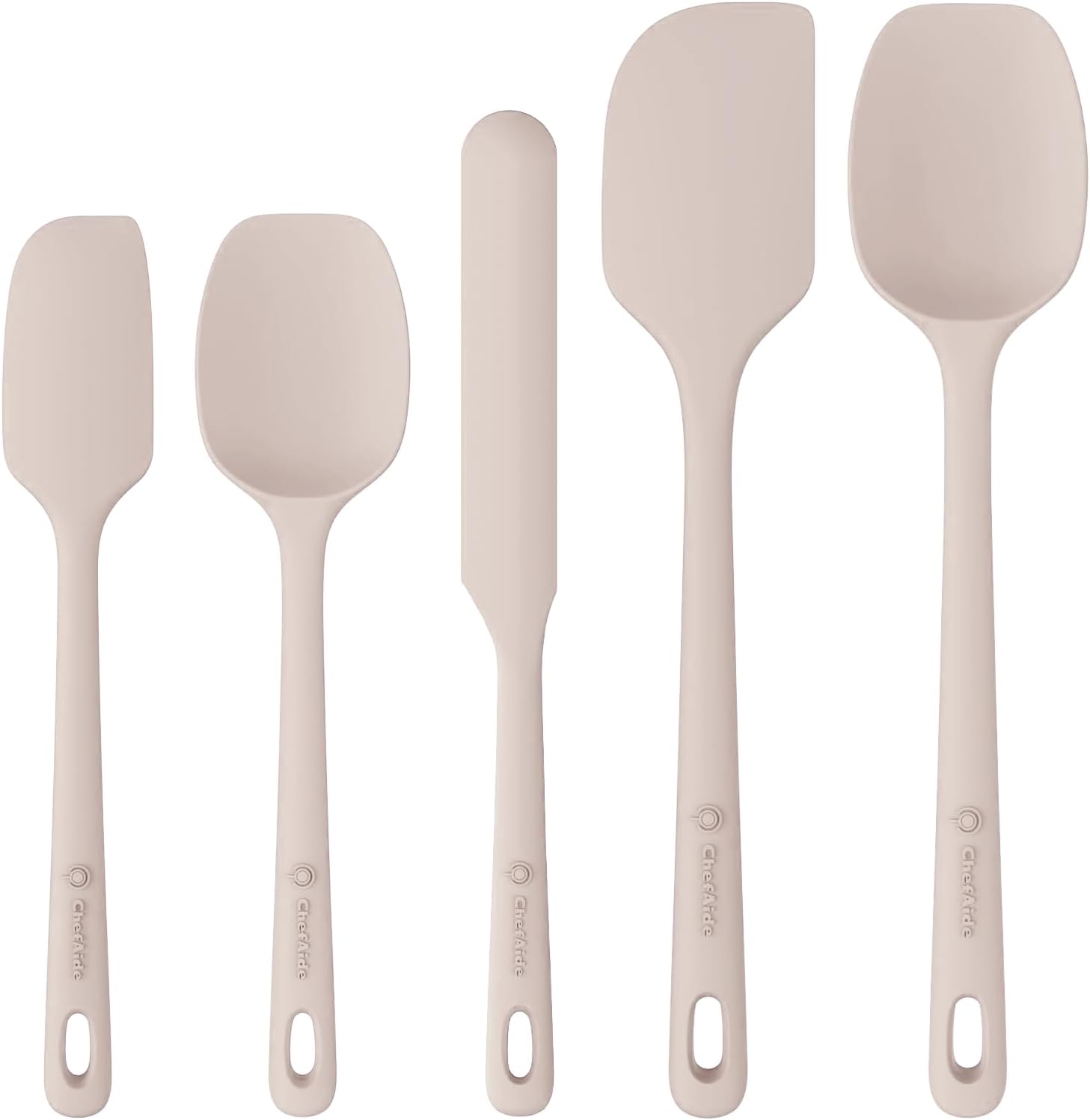
Heat-Resistant Seamless Silicone Spatula Set
Withstands up to 450°F and scrapes nonstick pans cleanly without scratching protective coatings.
 (paid link)
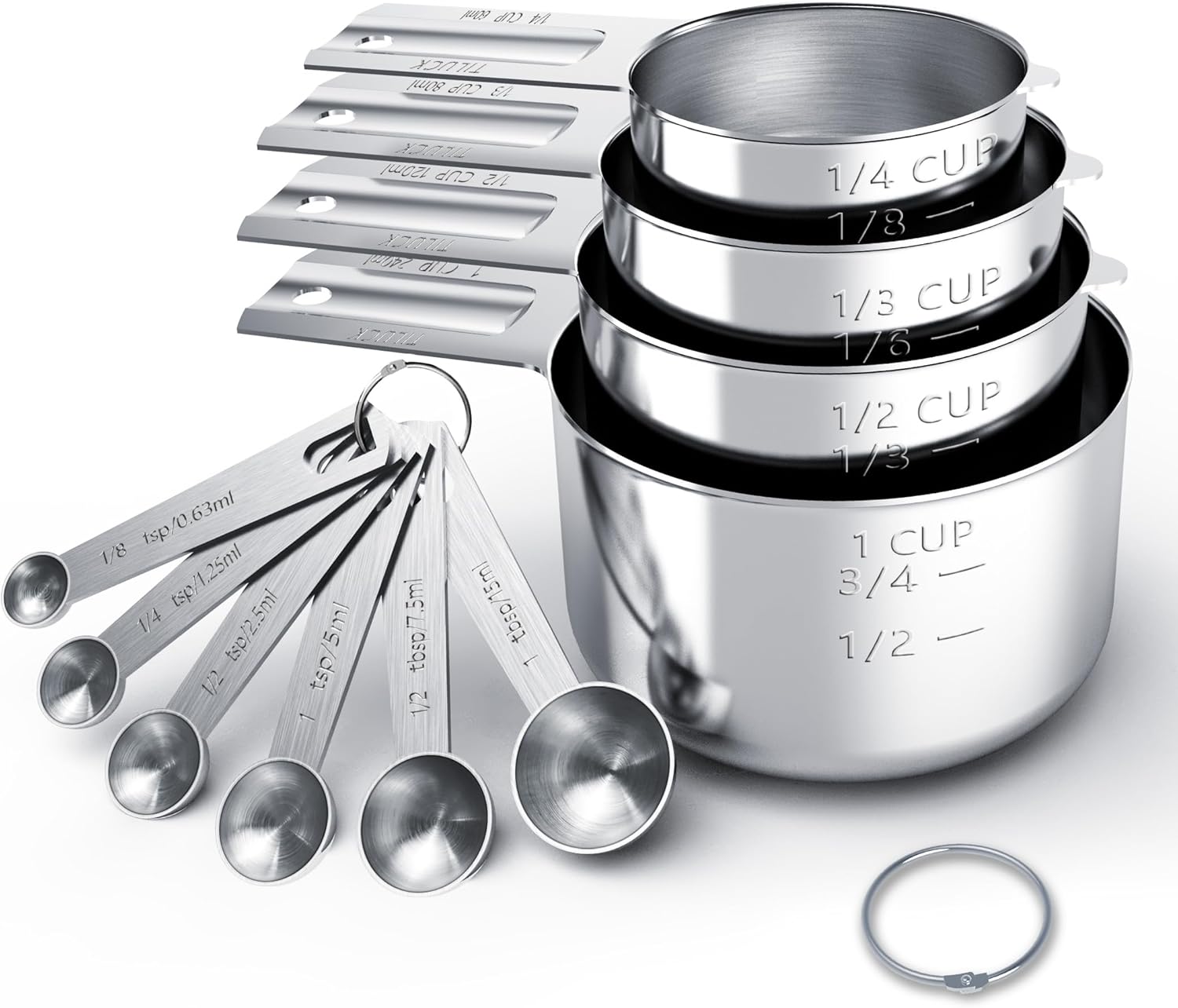
Heavy-Gauge Stainless Steel Measuring Cups & Spoons
Etched measurement markings never fade through dishwashing, ensuring precise seasoning balance.