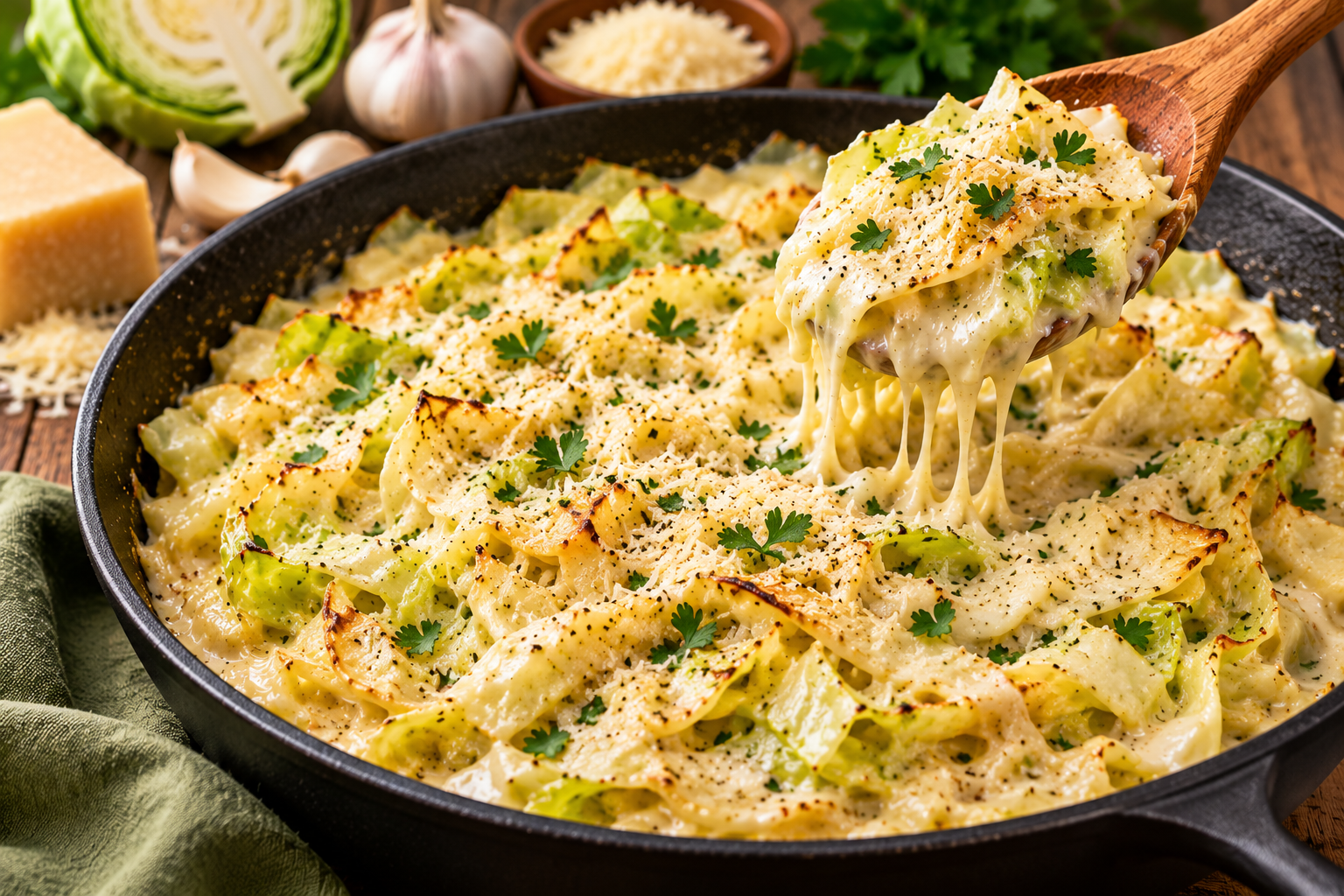
Creamy Garlic Parmesan Cabbage Alfredo

Tender cabbage ribbons coated in a silky garlic Parmesan cream sauce make this simple skillet dinner cozy, savory, and easy to adapt.
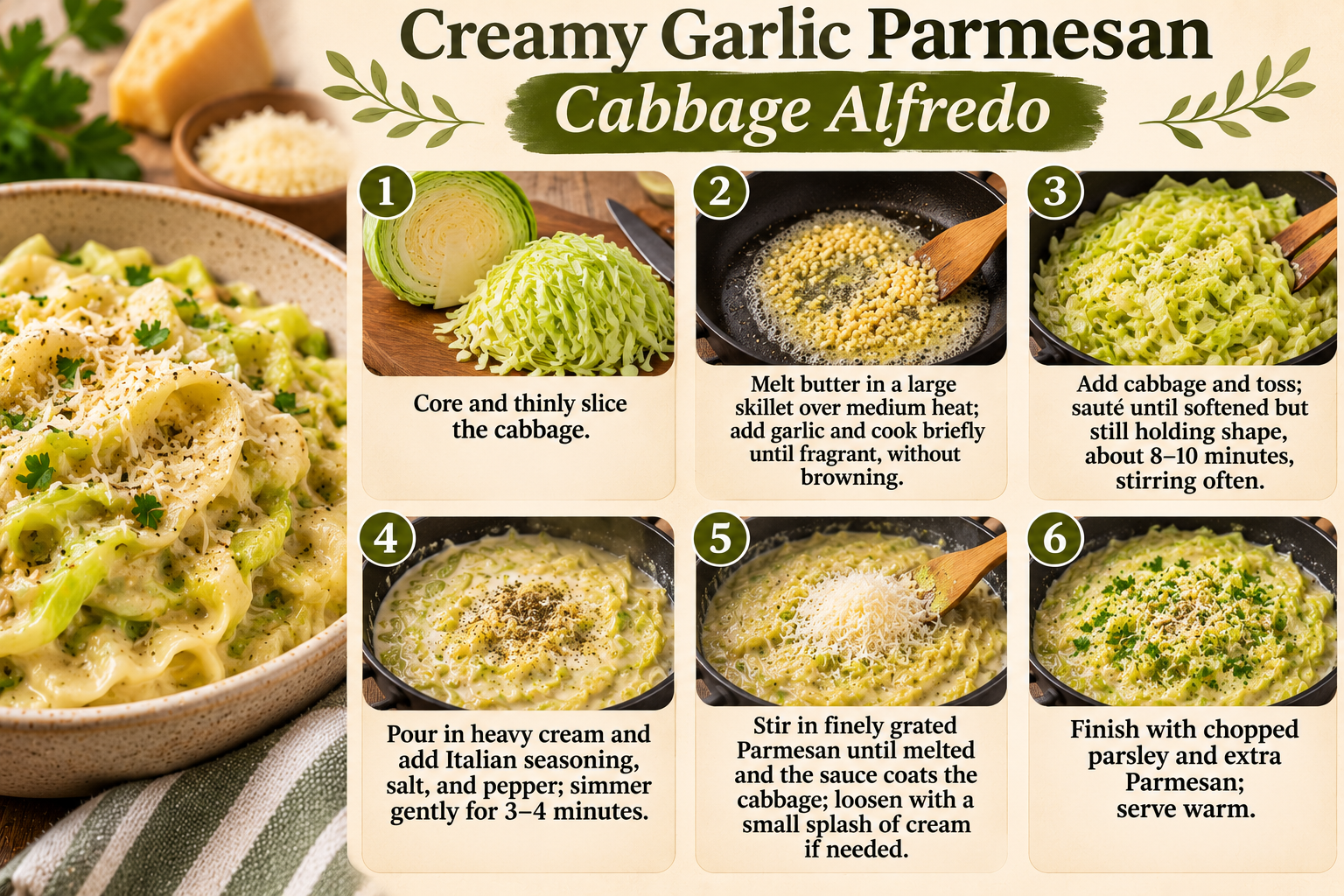
Creamy Garlic Parmesan Cabbage Alfredo
This creamy garlic Parmesan cabbage Alfredo turns a humble head of cabbage into a cozy skillet dinner with tender ribbons of cabbage and a silky, savory cheese sauce. Garlic and butter build the base, a little Italian seasoning adds warmth, and freshly grated Parmesan gives the cream sauce its familiar Alfredo-style finish. It is a simple stovetop dish for evenings when you want something comforting without a long ingredient list.
The cabbage softens in the skillet but should still hold its shape. Rather than boiling it until limp, cook the sliced cabbage in the garlic butter until it is tender with a little bite, then let it finish gently in the cream. The result is rich and satisfying, with enough texture to make the cabbage the star instead of hiding it under sauce.
Why You’ll Enjoy This Cabbage Alfredo
This recipe uses everyday ingredients and one large skillet. Cabbage is inexpensive, keeps well in the refrigerator, and becomes pleasantly sweet as it cooks. Garlic, butter, cream, and Parmesan make a familiar sauce that coats the cabbage without requiring a separate pot of pasta. It can be served as a meatless main with bread or alongside roasted chicken, pork, or fish.
The method is flexible, too. Slice the cabbage into even ribbons so it cooks at a similar rate, keep the heat moderate after adding the cream, and stir the cheese in gradually. Those small details help the sauce stay smooth and prevent the cabbage from becoming watery.
Ingredients You’ll Need
- Green cabbage: Use one medium head, about 2 pounds, cored and thinly sliced. Remove any tough outer leaves first.
- Unsalted butter: Two tablespoons provide a rich base for the garlic and cabbage.
- Olive oil: One tablespoon helps the butter cook evenly and keeps the garlic from scorching too quickly.
- Garlic: Four cloves, finely minced, give the sauce its savory aroma. Add them after the butter melts so they do not burn.
- Heavy cream: One cup creates a creamy sauce. Keep it at a gentle simmer rather than a hard boil.
- Parmesan: Three-quarters cup finely grated Parmesan melts into the sauce. Freshly grated cheese generally melts more smoothly than coarse pre-shredded cheese.
- Italian seasoning: Half a teaspoon adds a subtle herb note without overpowering the garlic and cheese.
- Kosher salt and black pepper: Start with three-quarters teaspoon salt and one-quarter teaspoon black pepper, then adjust to taste. Parmesan is salty, so taste before adding more.
- Fresh parsley: Two tablespoons chopped parsley add color and a fresh finish. Extra Parmesan is optional for serving.
Equipment
Use a large, deep skillet or sauté pan so the cabbage has room to wilt without spilling over the sides. You will also need a sharp knife and cutting board, a measuring cup, a microplane or fine grater for the Parmesan, and a wooden spoon or heat-safe spatula. A wide pan is helpful because it allows moisture to evaporate as the cabbage cooks.
How to Make Creamy Garlic Parmesan Cabbage Alfredo
- Prepare the cabbage. Remove any damaged outer leaves, cut the cabbage into quarters, and slice out the firm core. Slice the quarters into thin ribbons about 1/4 inch wide. Separate the pieces with your fingers so the ribbons cook evenly. If the cabbage is wet after washing, dry it well; excess water can thin the sauce.
- Warm the butter, oil, and garlic. Set a large skillet over medium heat. Add the butter and olive oil. When the butter has melted and is foaming gently, stir in the minced garlic. Cook for about 30 seconds, stirring constantly, just until fragrant. Do not let the garlic turn dark brown, which can make it taste bitter.
- Cook the cabbage. Add the sliced cabbage in a few handfuls, tossing as you go to coat it in the garlic butter. It may look like a lot at first, but it will shrink as it cooks. Sauté for about 8 to 10 minutes, stirring often, until the ribbons are softened but still hold their shape. If the pan is crowded, cook in batches or use the largest skillet available.
- Add the cream and seasoning. Reduce the heat to medium-low. Pour in the heavy cream and add the Italian seasoning, salt, and black pepper. Stir to coat the cabbage. Let the mixture simmer gently for 3 to 4 minutes, until the cream is hot and slightly thickened. Avoid a rapid boil, which can cause a cream sauce to separate.
- Stir in the Parmesan. Lower the heat. Add the finely grated Parmesan in small handfuls, stirring after each addition until it melts into the sauce. The sauce should cling to the cabbage. If it becomes thicker than you like, loosen it with a small splash of cream or warm water. Taste and adjust the salt and pepper.
- Finish and serve. Remove the skillet from the heat and fold in the chopped parsley. Finish with extra Parmesan and a little black pepper if desired. Serve warm while the sauce is creamy.
Tips for a Smooth, Creamy Sauce
Grate the cheese finely. Fine shreds melt more readily than thick chunks. Add the Parmesan over low heat and stir gradually rather than tipping it all in at once. If the sauce is bubbling vigorously, take the pan off the heat briefly before adding the cheese.
Keep the cabbage fairly dry. Water clinging to washed cabbage can collect in the bottom of the skillet. Drying the sliced cabbage helps the cream sauce stay rich and cling to the vegetables.
Choose the right pan. A wide skillet gives moisture room to evaporate and helps the cabbage sauté instead of steam. If you only have a smaller pan, cook the cabbage in two batches and return it all to the skillet before adding the cream.
Do not overcook the cabbage. Start checking around the eight-minute mark. It should be tender enough to eat comfortably but not mushy. The cabbage will soften a little more as it simmers in the sauce.
Easy Variations
For a heartier skillet, fold in cooked shredded chicken or browned Italian sausage at the end and heat until hot. Sautéed mushrooms or baby spinach can also be added; cook mushrooms until their moisture has evaporated, and stir spinach in just until wilted. For a little heat, add a pinch of red pepper flakes with the Italian seasoning.
If you prefer a lighter sauce, replace part of the heavy cream with whole milk, understanding that the sauce will be thinner and needs especially gentle heat. For a stronger cheese flavor, add a little more Parmesan a tablespoon at a time. Avoid adding too much salt before tasting because Parmesan contributes plenty of seasoning.
What to Serve With Cabbage Alfredo
Serve this dish as a vegetable-forward main with crusty bread, garlic toast, or a simple green salad. It also makes a comforting side for roast chicken, baked salmon, pork chops, or meatloaf. Since the sauce is rich, fresh sides such as lemon-dressed greens, roasted broccoli, or sliced tomatoes balance the plate nicely.
Make-Ahead, Storage, and Reheating
For the best texture, this dish is most enjoyable just after cooking. You can core and slice the cabbage and grate the Parmesan a day ahead; store them separately in airtight containers in the refrigerator. Cooked leftovers should be cooled promptly, transferred to a covered container, refrigerated within two hours, and used within 3 to 4 days.
Reheat leftovers gently in a skillet over low heat, stirring often. Add a splash of cream or milk to loosen the sauce as it warms. Avoid boiling the sauce, because high heat can cause the dairy and cheese to separate. A microwave also works for individual portions; use short intervals and stir between them. Freezing is not recommended because cooked cabbage can become soft and the cream sauce may separate after thawing.
Frequently Asked Questions
Does cabbage Alfredo taste like pasta Alfredo?
It has the familiar garlic, cream, and Parmesan flavors of Alfredo, but the cabbage gives it a sweeter vegetable flavor and a softer, more tender bite than pasta. The sauce is designed to coat the cabbage ribbons.
Can I use red cabbage?
Green cabbage is best for the classic creamy appearance and mild flavor. Red cabbage can be used, but it has a stronger color and may tint the cream sauce. Its texture can also remain a little firmer.
Can I use half-and-half instead of heavy cream?
Yes, but the sauce will be thinner and less rich. Keep the heat low and add the Parmesan gradually. Do not boil the sauce to force it to thicken.
How do I keep the sauce from becoming grainy?
Use finely grated Parmesan, lower the heat before adding it, and stir it in gradually. Pre-shredded cheese can contain anti-caking ingredients that make smooth melting more difficult.
How do I know when the cabbage is cooked?
The ribbons should be softened and glossy but still retain their shape. Taste a piece before adding the cream; it should be tender with a little bite rather than crunchy or mushy.
A Simple Skillet Worth Keeping
Creamy Garlic Parmesan Cabbage Alfredo is a practical way to make a familiar vegetable feel special. Thin cabbage ribbons soak up buttery garlic flavor, then get coated in a gently simmered cream and Parmesan sauce. Keep the heat controlled, add the cheese slowly, and serve the skillet while it is warm and glossy. It is an easy recipe to adapt with the vegetables or cooked protein you already have on hand.
Ready to make something?
Turn inspiration into dinner.
Browse our tested recipes for practical step-by-step ideas, weeknight favorites and something delicious to try next.
Find your next recipe →Helpful Tools for This Recipe
Disclosure: Affiliate disclosure: This post contains affiliate links. As an Amazon Associate I earn from qualifying purchases at no extra cost to you.
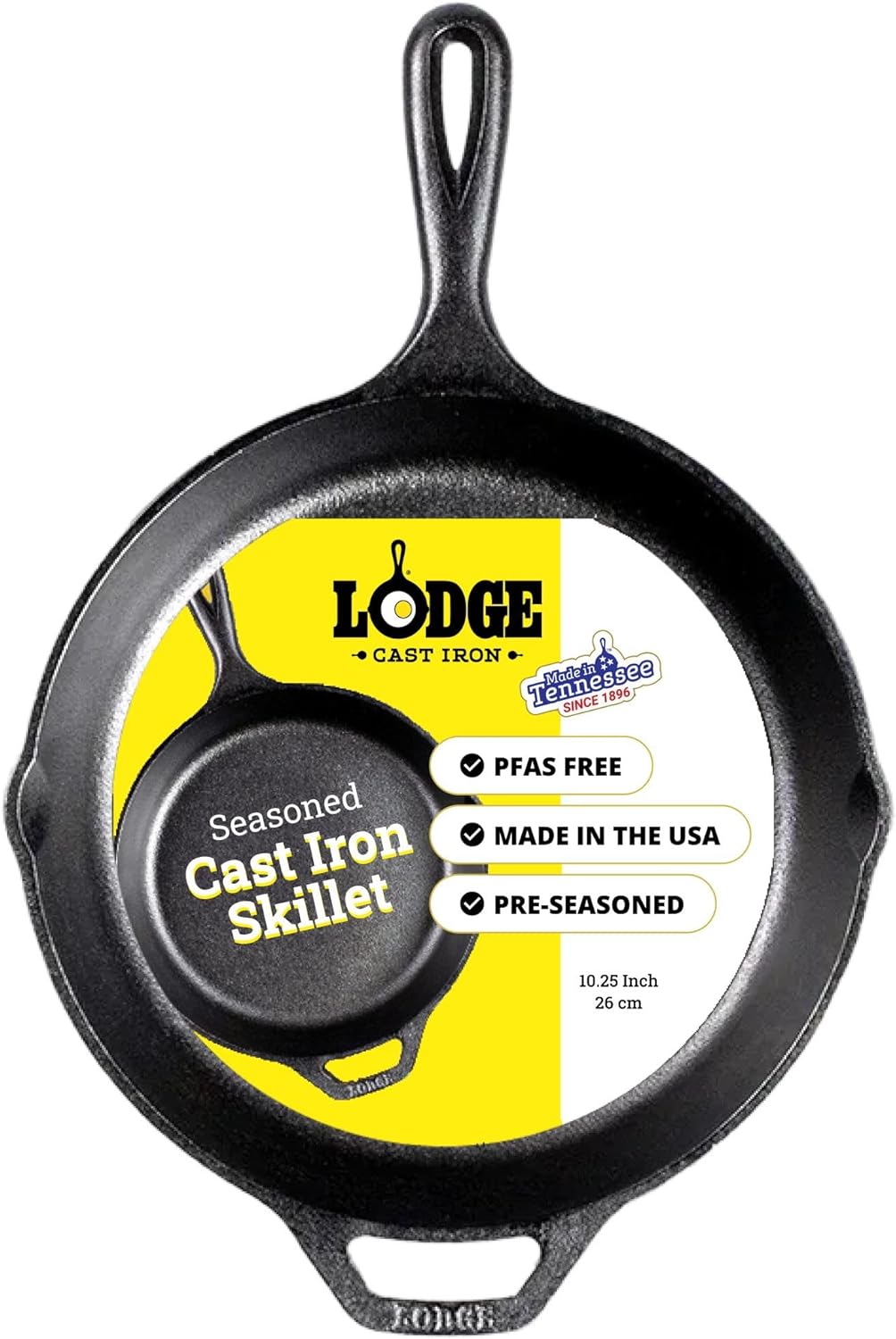 (paid link)
Pre-Seasoned Cast Iron Skillet (10.25-inch)
Provides exceptional heat retention and unbeatable browning for chicken, steaks, and skillet pastas.
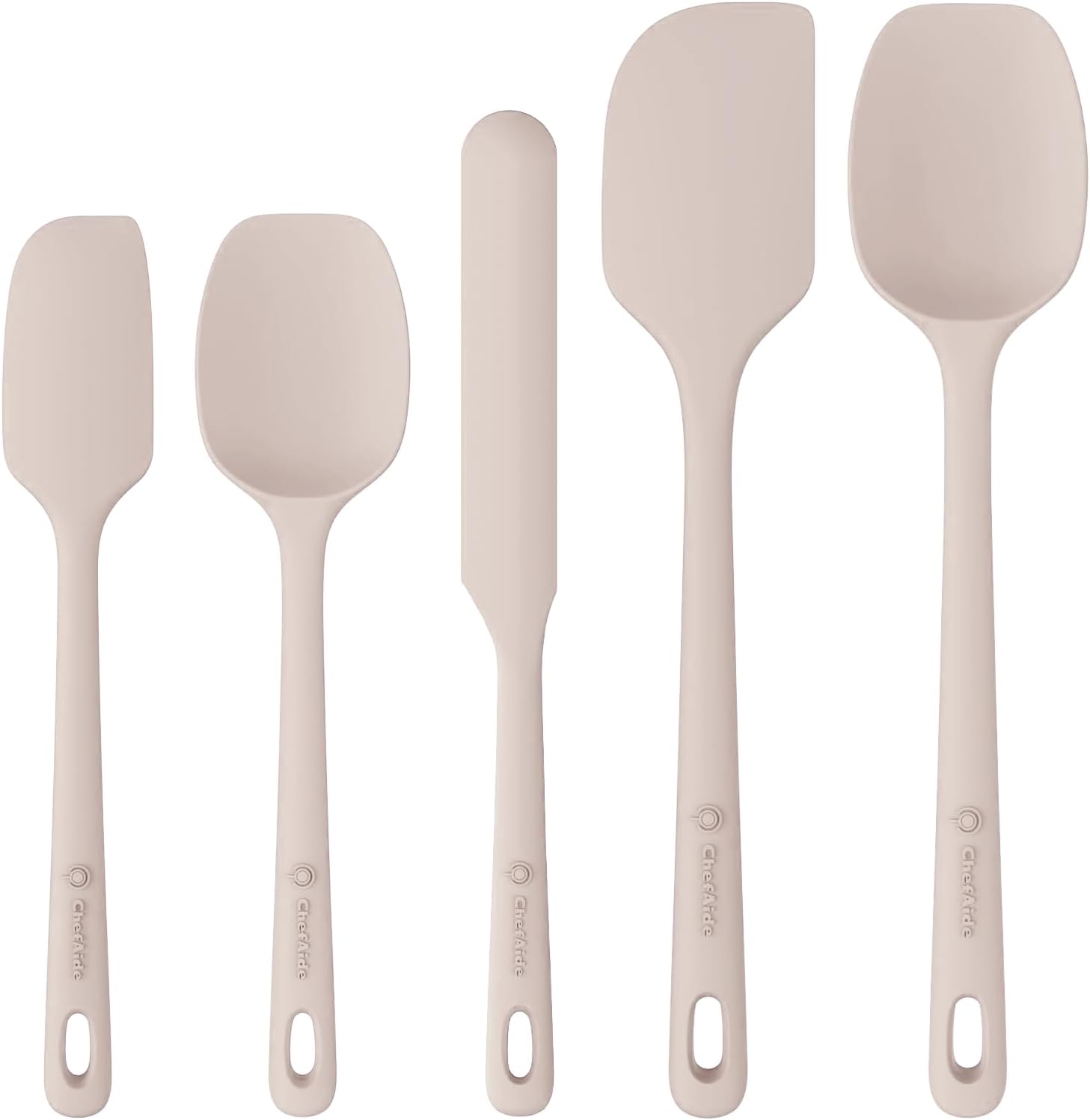 (paid link)
Heat-Resistant Seamless Silicone Spatula Set
Withstands up to 450°F and scrapes nonstick pans cleanly without scratching protective coatings.
 (paid link)
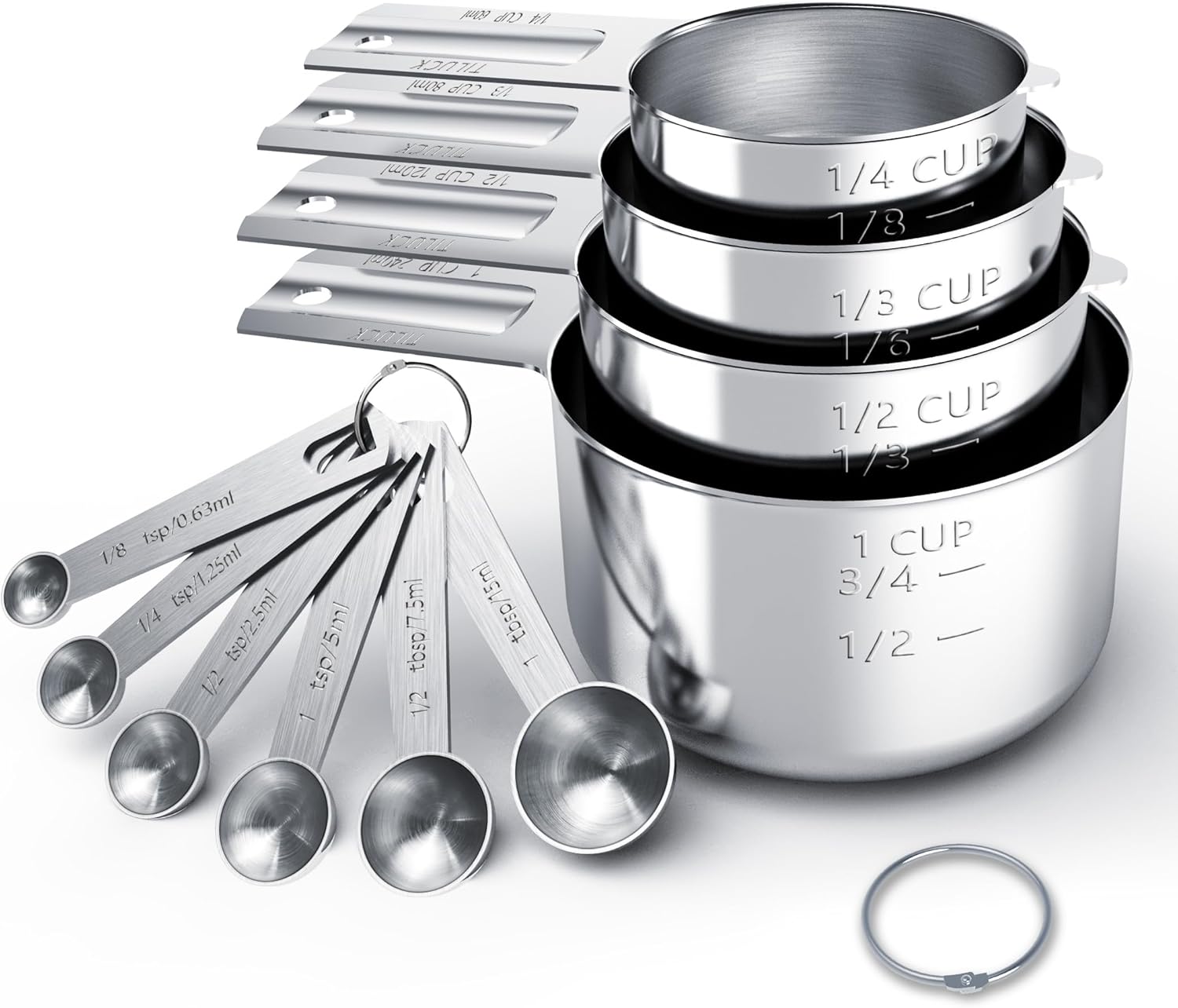
Heavy-Gauge Stainless Steel Measuring Cups & Spoons
Etched measurement markings never fade through dishwashing, ensuring precise seasoning balance.