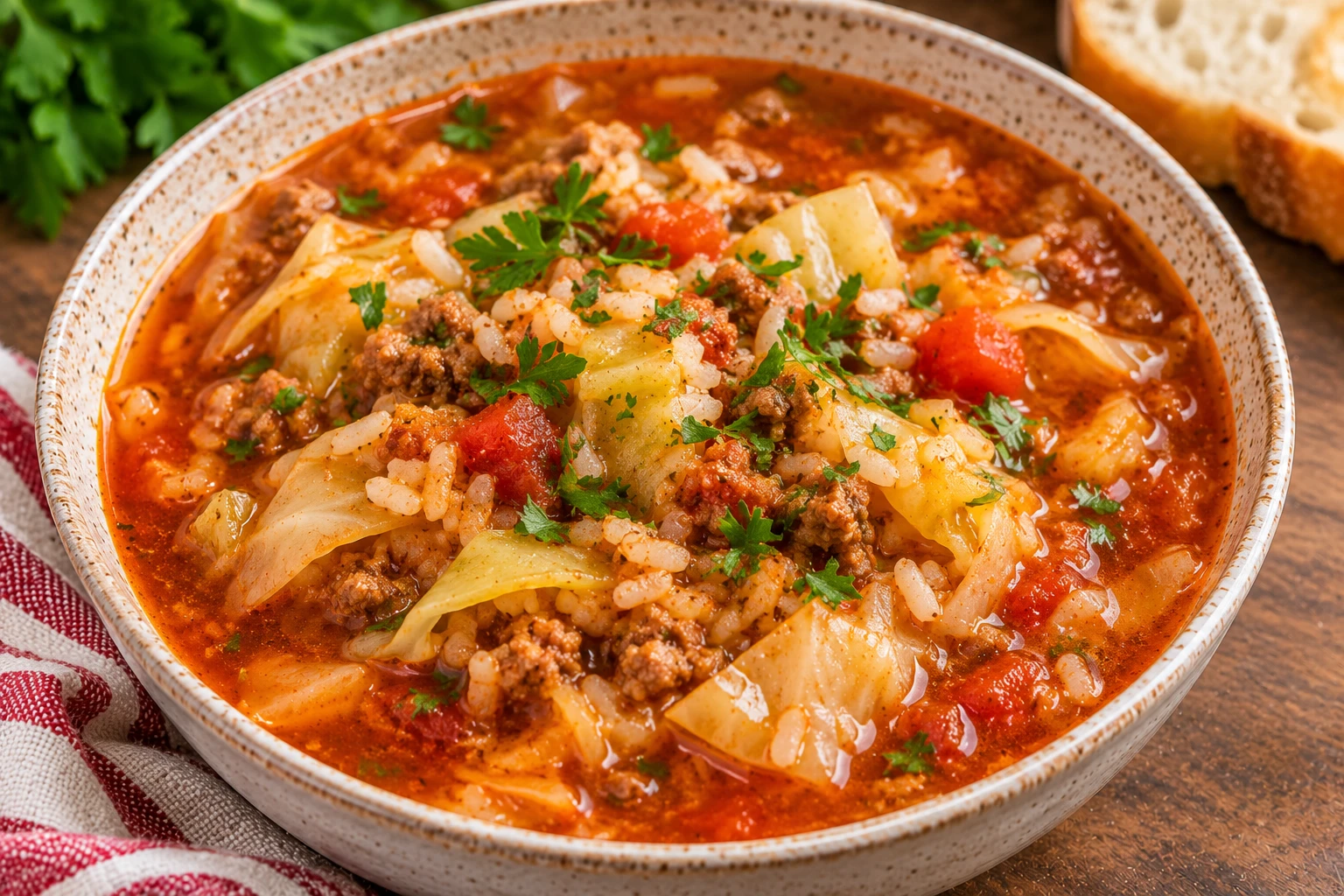
Golumpki Soup – Polish Stuffed Cabbage Roll Soup

Golumpki Soup brings the familiar flavors of Polish stuffed cabbage rolls into a practical one-pot meal. Ground beef, cabbage, onion, carrots, tomatoes, broth, and rice simmer together with paprika, oregano, thyme, and bay leaf. Instead of
Golumpki Soup – Polish Stuffed Cabbage Roll Soup
Prep time: 20 minutes | Cook time: 35 minutes | Servings: 6
Introduction
Golumpki Soup brings the familiar flavors of Polish stuffed cabbage rolls into a practical one-pot meal. Ground beef, cabbage, onion, carrots, tomatoes, broth, and rice simmer together with paprika, oregano, thyme, and bay leaf. Instead of blanching cabbage leaves, rolling individual parcels, and baking them in sauce, the ingredients are chopped and cooked in a soup pot. The result is hearty and comforting, with tender cabbage and rice in a tomato-rich broth. A little vinegar or lemon juice at the end brightens the flavor and keeps the soup from tasting too heavy. It is a useful recipe for a family dinner because it makes six servings and reheats well with a little extra broth.
Why You'll Enjoy This Recipe
Traditional stuffed cabbage rolls are satisfying but take time to assemble. This soup keeps the core combination of beef, cabbage, rice, and tomato in a simpler format. Browning the beef first adds savory flavor to the pot, while onion, carrots, and garlic build an aromatic base. Cabbage softens as it simmers, and uncooked rice cooks directly in the broth, absorbing some of the tomato and seasoning. The seasoning is deliberately familiar rather than spicy: paprika, oregano, thyme, bay leaf, salt, and pepper support the main ingredients without overwhelming them. Because rice continues to absorb liquid after cooking, the soup can be adjusted with broth when reheated.
Ingredients You'll Need
- 1 tbsp olive oil
- 1 lb (450 g) lean ground beef
- 1 medium yellow onion, diced
- 2 carrots, peeled and diced
- 3 garlic cloves, minced
- ½ medium green cabbage (about 1 lb / 450 g), cored and chopped
- 1 can (14.5 oz / 411 g) diced tomatoes
- 1 can (15 oz / 425 g) tomato sauce
- 6 cups (1.4 L) low-sodium beef broth
- ½ cup (95 g) uncooked long-grain white rice, rinsed
- 1 tbsp brown sugar (optional, to balance acidity)
- 1 tsp sweet paprika
- 1 tsp dried oregano
- ½ tsp dried thyme
- 1 bay leaf
- 1 tsp fine salt, or to taste
- ½ tsp black pepper
- 1 tbsp red wine vinegar or lemon juice, to finish
- 2 tbsp chopped fresh parsley
Use 1 tablespoon olive oil and 1 pound lean ground beef. Add one diced yellow onion, two diced carrots, three minced garlic cloves, and about 1 pound chopped green cabbage (½ medium head). The tomato base includes one 14.5-ounce can diced tomatoes, one 15-ounce can tomato sauce, and 6 cups low-sodium beef broth. Add ½ cup rinsed uncooked long-grain white rice, optional 1 tablespoon brown sugar, 1 teaspoon sweet paprika, 1 teaspoon dried oregano, ½ teaspoon dried thyme, one bay leaf, 1 teaspoon salt, and ½ teaspoon black pepper. Finish with 1 tablespoon red wine vinegar or lemon juice and 2 tablespoons chopped parsley.
Equipment
A large Dutch oven or heavy-bottomed soup pot gives enough room for the cabbage to soften without spilling over. You will also need a cutting board, chef’s knife, wooden spoon, measuring cups and spoons, can opener, and ladle. A colander is useful for rinsing the rice. If you want to remove excess fat after browning the beef, have a heat-safe bowl ready; do not pour hot fat down the sink.
How to Make the Recipe
- Heat olive oil in a large Dutch oven or soup pot over medium-high heat. Add ground beef and cook 5–7 minutes, breaking it into small crumbles, until browned. Drain excess fat if needed.
- Add onion and carrots. Cook 4–5 minutes until beginning to soften. Stir in garlic and cook 30 seconds.
- Add chopped cabbage, diced tomatoes, tomato sauce, beef broth, rinsed rice, brown sugar, paprika, oregano, thyme, bay leaf, salt, and pepper. Stir well.
- Bring to a boil, then reduce heat to maintain a gentle simmer. Cover partially and cook 25–30 minutes, stirring occasionally, until cabbage is tender and rice is cooked through.
- Remove bay leaf. Stir in vinegar or lemon juice to brighten the tomato broth. Taste and adjust salt and pepper. If soup is thicker than desired, add ½–1 cup hot broth or water.
- Ladle into bowls and finish with fresh parsley. Serve hot with crusty bread if desired.
Heat olive oil in the soup pot over medium-high heat. Add the ground beef and cook 5–7 minutes, breaking it into small crumbles until browned; drain excess fat if needed. Add onion and carrots and cook 4–5 minutes until they begin to soften. Stir in garlic for 30 seconds. Add cabbage, diced tomatoes, tomato sauce, broth, rinsed rice, optional brown sugar, paprika, oregano, thyme, bay leaf, salt, and pepper. Bring to a boil, then lower the heat to a gentle simmer. Partially cover and cook 25–30 minutes, stirring occasionally, until the cabbage is tender and rice is cooked. Remove the bay leaf, stir in vinegar or lemon juice, taste, adjust seasoning, and add ½–1 cup hot broth or water if the soup is thicker than you like. Finish with parsley.
Tips and Troubleshooting
Cut the cabbage into bite-size pieces so it is easy to eat with a spoon. Keep the soup at a gentle simmer rather than a rapid boil; vigorous boiling can break down the cabbage and make the rice stick to the bottom. Stir occasionally, especially toward the end when the rice begins to absorb liquid. Rinse the rice before adding it to remove some surface starch. If the soup becomes too thick, add hot broth gradually rather than pouring in a large amount at once. Remove the bay leaf before serving. Add the vinegar or lemon juice after cooking; that small acidic finish brightens the tomato broth more effectively than adding it at the beginning.
Easy Variations
Ground turkey or ground pork can replace beef. If using lean turkey, a little extra olive oil may help keep the base from tasting dry. Brown rice takes longer to cook and needs a different liquid balance, so the easiest option is to cook it separately and add it near the end. For a vegetarian version, use vegetable broth and plant-based mince or beans; the flavor will no longer be traditional but the tomato-cabbage base remains comforting. You can adjust the paprika slightly, but keep the oregano, thyme, and bay leaf for the familiar savory profile. If you prefer a thicker soup, simmer uncovered briefly at the end, stirring often.
What to Serve With It
Ladle the soup into warm bowls and finish with chopped parsley. Crusty bread, rye bread, or simple dinner rolls are useful for soaking up the tomato broth. A crisp cucumber salad or lightly dressed green salad adds freshness alongside the hearty cabbage and rice. If serving a group, place extra broth on the table so anyone who prefers a thinner soup can adjust their bowl. The soup is filling enough to serve as a main course, so simple sides are usually sufficient.
Make-Ahead, Storage, and Reheating
Cool leftovers promptly and refrigerate in airtight containers for up to 4 days. The rice will continue to absorb broth as it sits, so expect the soup to thicken overnight. Reheat gently on the stovetop over medium-low heat, stirring and adding broth or water as needed. Heat until the soup reaches 165°F (74°C). For freezing, the best texture comes from freezing the soup without rice for up to 3 months, then adding freshly cooked rice when serving. Soup frozen with rice is still usable, but the rice may become softer after thawing. Thaw in the refrigerator and reheat thoroughly; avoid repeatedly cooling and reheating the same pot.
Frequently Asked Questions
Can I use cooked rice? Yes. Simmer the soup without uncooked rice, then stir in about 1½ cups cooked rice during the final 5 minutes.
Why is the soup thicker the next day? Rice absorbs broth as it rests. Add a little broth or water when reheating to bring it back to your preferred consistency.
Can I use ground turkey? Yes. Brown it in the same way as the beef; add a little olive oil if it is very lean.
Can I freeze golumpki soup? Yes. For the best rice texture, freeze the soup before adding rice and cook fresh rice when you serve it.
Closing Thoughts
Golumpki soup gives you the cozy flavors of stuffed cabbage rolls without the time required to roll and bake individual cabbage leaves. Brown the beef, let the cabbage and rice simmer gently, and finish with a little vinegar or lemon to brighten the broth. Keep extra broth handy for leftovers, because the rice will continue to thicken the soup as it chills.
Ready to make something?
Turn inspiration into dinner.
Browse our tested recipes for practical step-by-step ideas, weeknight favorites and something delicious to try next.
Find your next recipe →Helpful Tools for This Recipe
Disclosure: Affiliate disclosure: This post contains affiliate links. As an Amazon Associate I earn from qualifying purchases at no extra cost to you.
 (paid link)
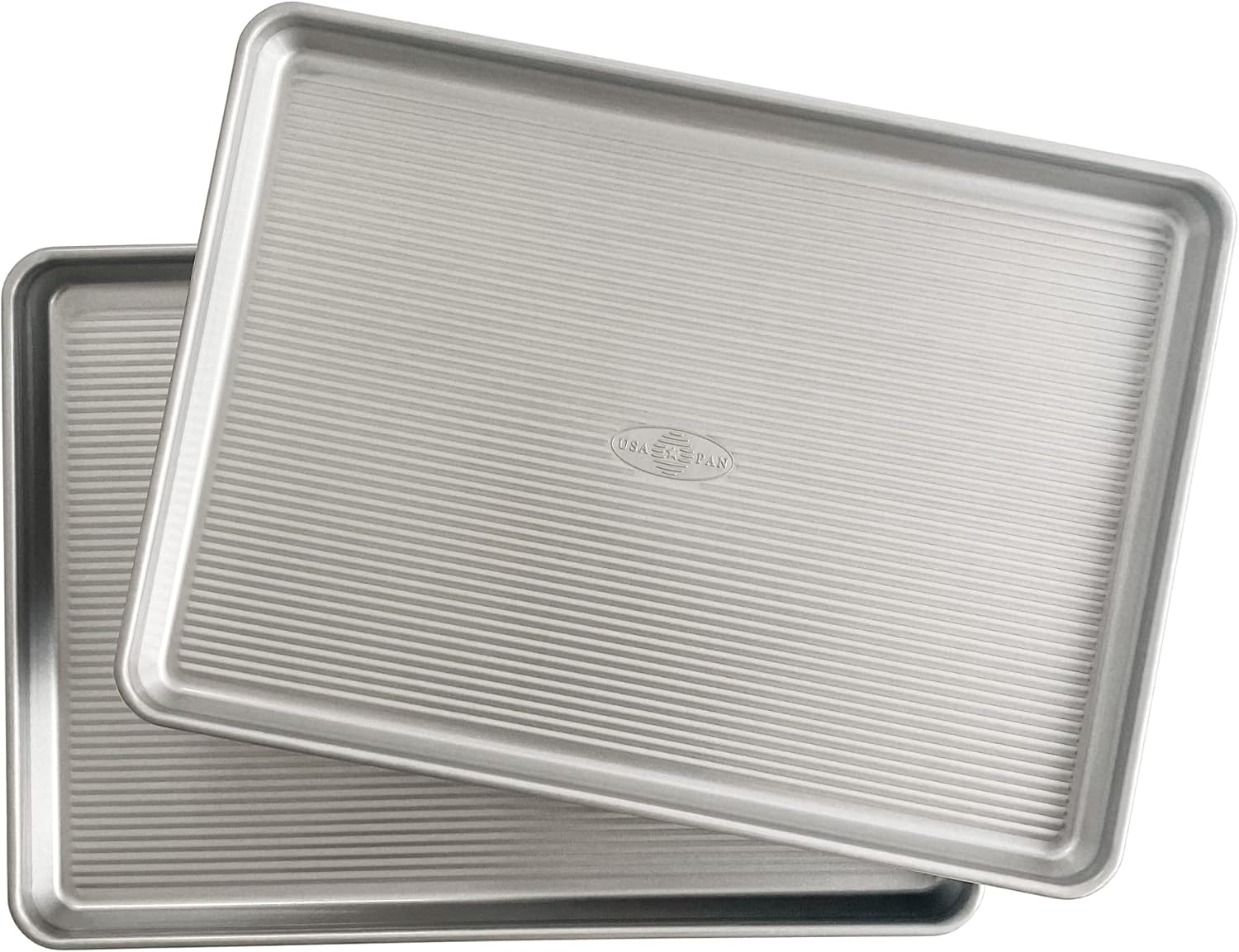
Heavy-Duty Half Sheet Baking Pans (Set of 2)
Heavy-gauge aluminum prevents warping at high heat for even sheet-pan dinners and golden rolls.
 (paid link)
Unbleached Pre-Cut Baking Parchment Paper Sheets
Lies completely flat on baking trays for effortless release with zero sticking and swift cleanup.
 (paid link)
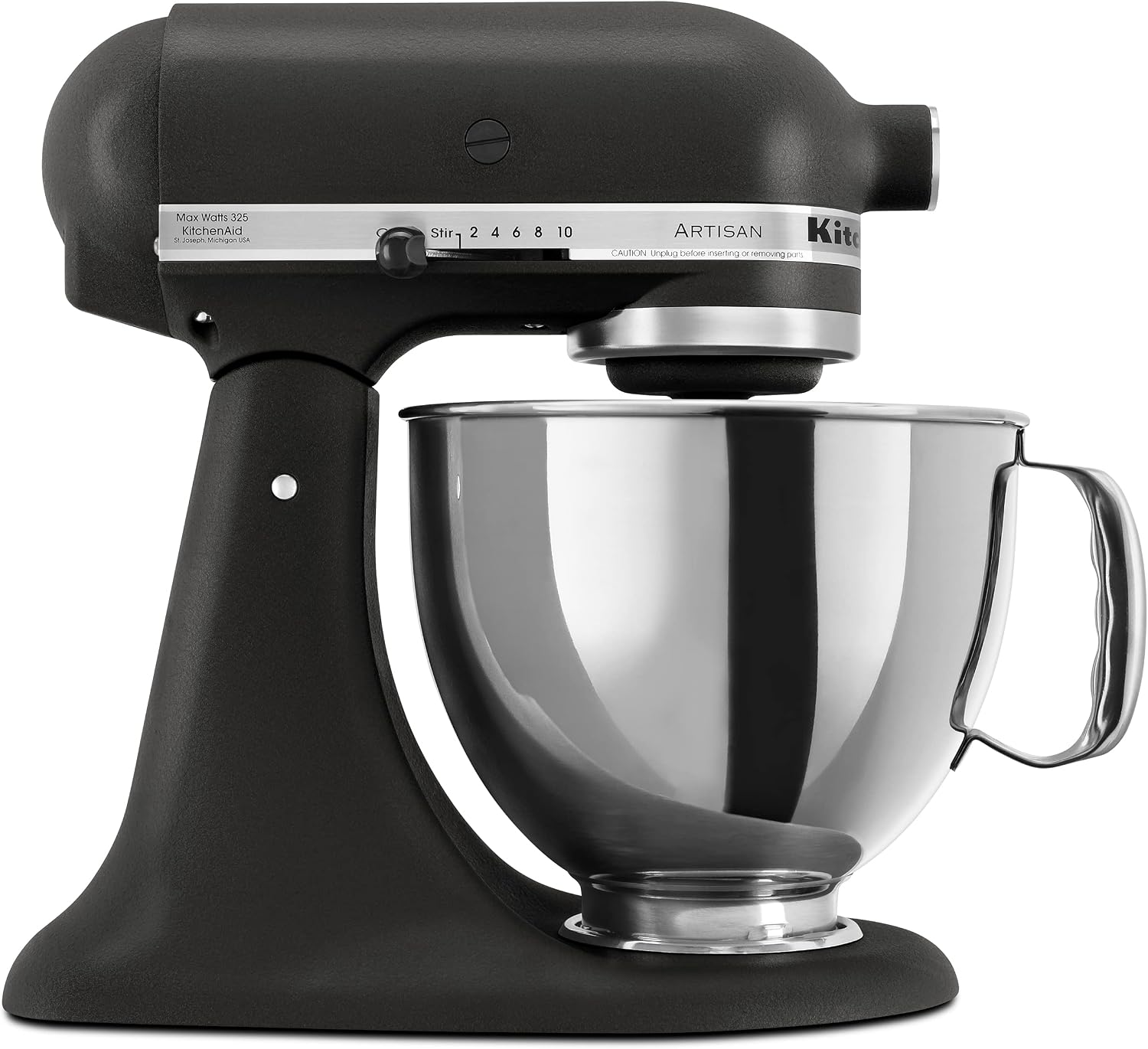
Tilt-Head Stand Mixer (5-Quart)
Whips batters, kneads doughs, and creams butter hands-free for professional-quality baked goods.