
Skip to main recipe content
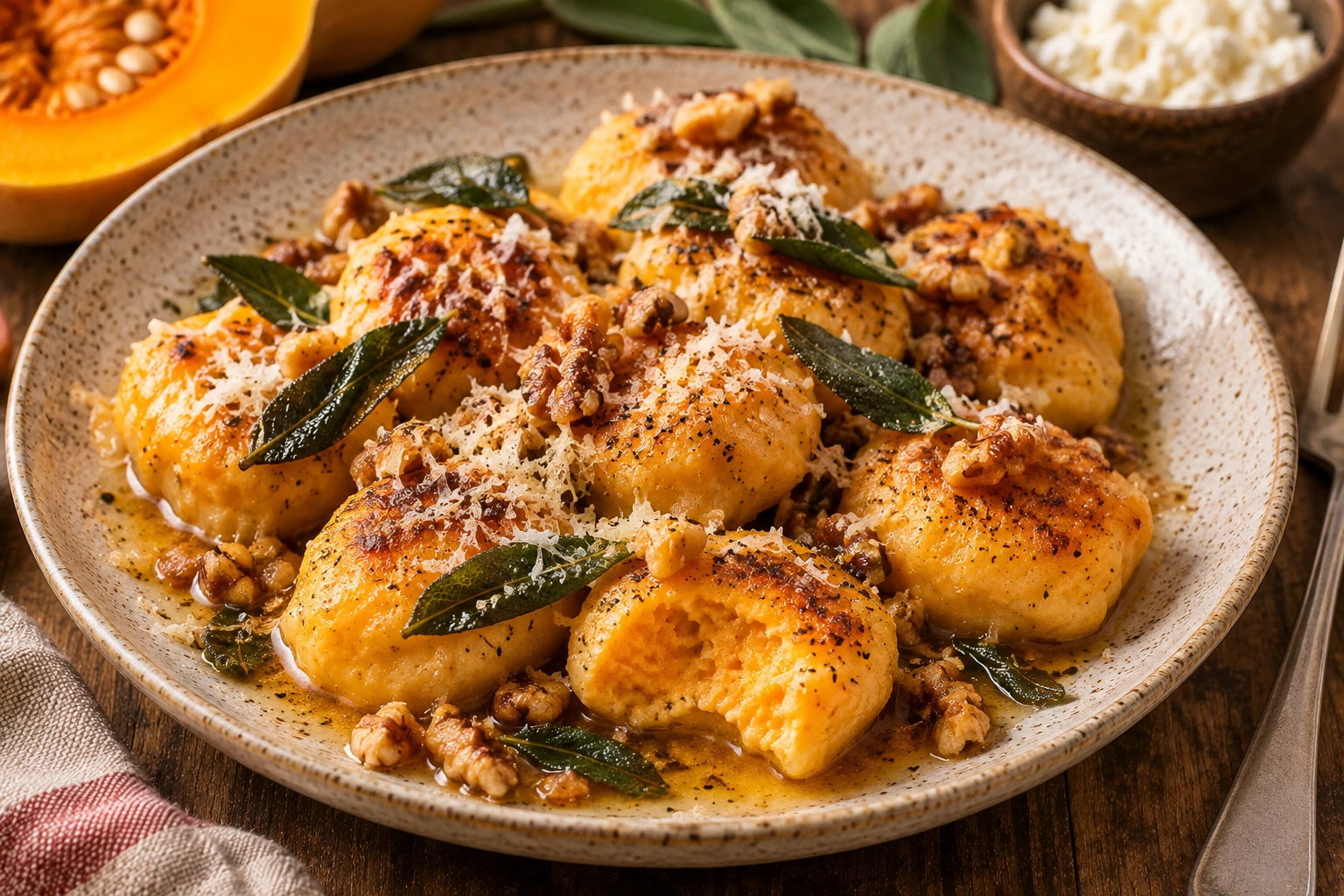
Butternut Squash Ricotta Gnudi with Brown Butter Sage Sauce

Butternut Squash Ricotta Gnudi with Brown Butter Sage Sauce

Soft butternut squash and ricotta dumplings simmered until tender, then coated in nutty brown butter with crisp sage, Parmesan, and toasted walnuts.
30 minPrep Time
25 minCook Time
55 minTotal Time
4Servings
MediumDifficulty
ItalianCuisine
Servings:
4

Ingredients

Tap items to check off as you prep
Essential Cookware & Gear

Recommended Equipment for This Recipe

Affiliate Disclosure
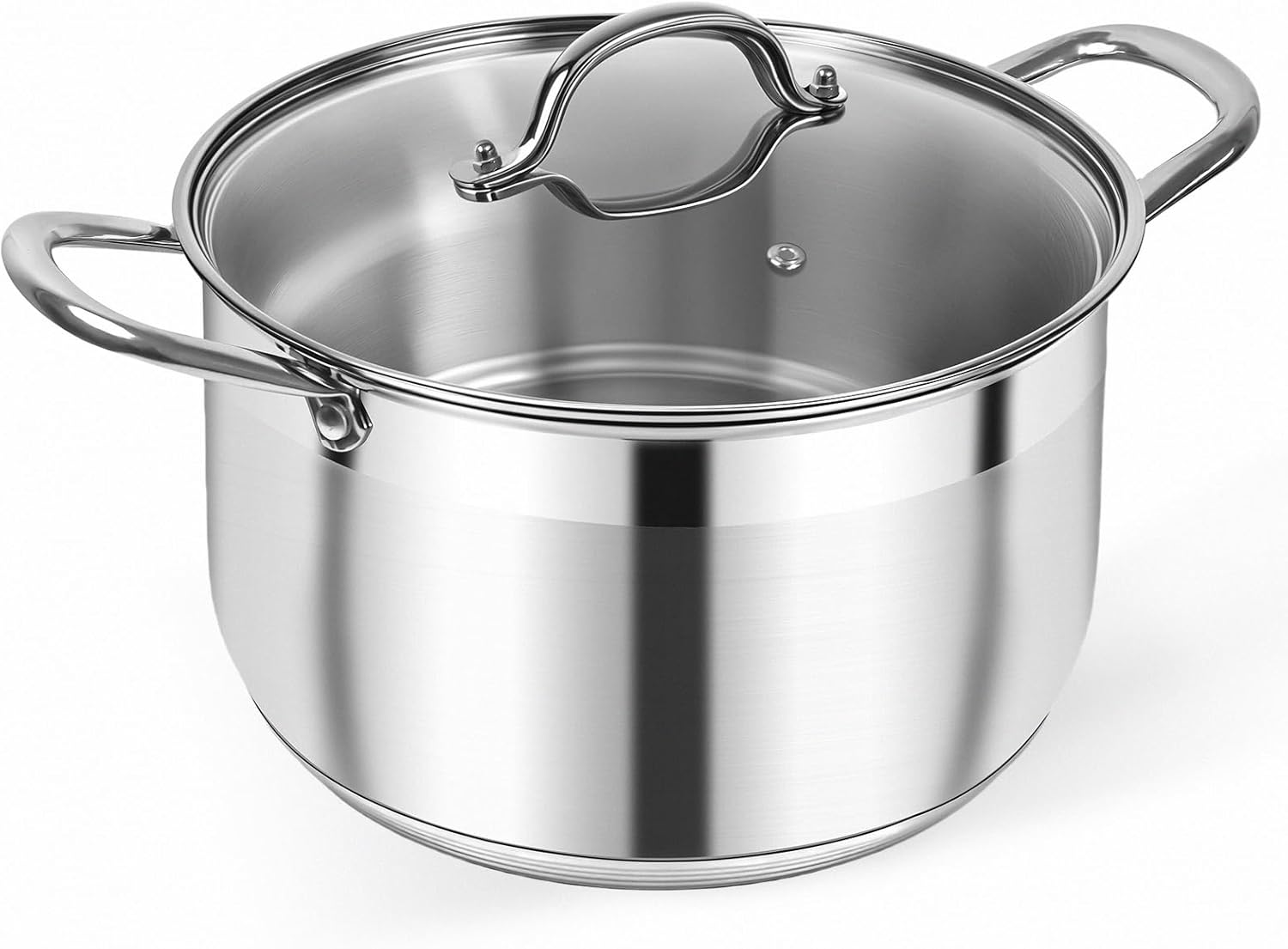
Stainless Steel Stockpot (8-Quart)
Cookware(paid link)

Stainless Steel Stockpot (8-Quart)

The right vessel for big-batch soups, bone broth, pasta, and crowd-sized comfort food recipes.
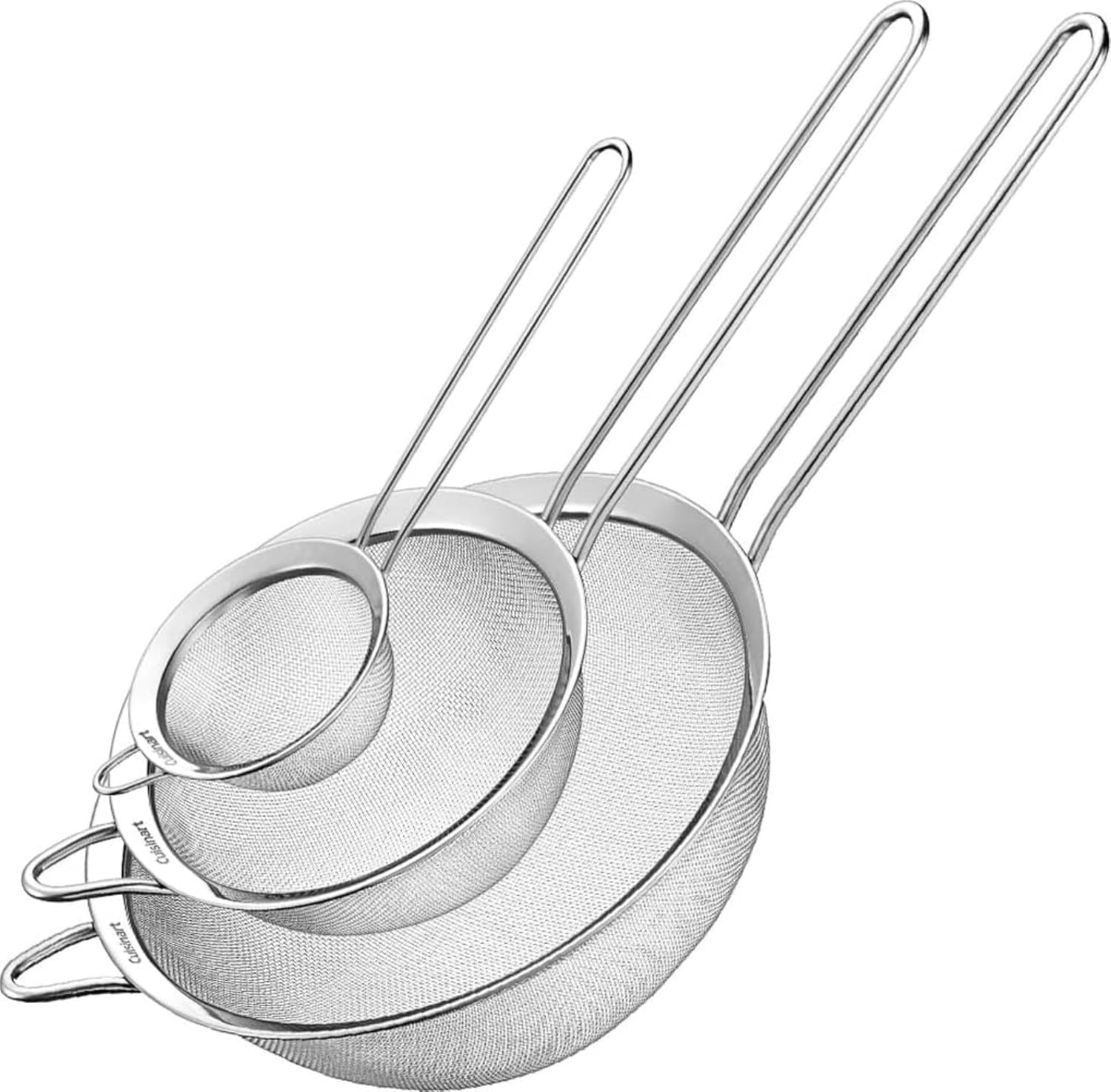
Fine Mesh Stainless Steel Strainer Set (3-Piece)
Storage & Tools(paid link)

Fine Mesh Stainless Steel Strainer Set (3-Piece)

Strains stocks, rinses grains, dusts powdered sugar, and sieves dry ingredients with zero mess.

Stainless Steel Locking Kitchen Tongs with Silicone Tips
Cutlery & Prep(paid link)

Stainless Steel Locking Kitchen Tongs with Silicone Tips

Gives secure control when flipping chicken breasts, searing meats, or tossing hot pasta.

Instructions & Method

Tap any step or checkbox to mark as completed as you cook

0 of 9 completed0% done
  1. STEP 01Active Step25–30 minutes400°F
    Heat oven to 400°F (200°C).Toss squash cubes with olive oil and spread on a parchment-lined tray. Roast 25–30 minutes until very tender. Cool, then mash or puree until smooth.
  2. STEP 0210–15 minutes
    Transfer squash puree to a clean kitchen towel or fine-mesh sieve and drain excess moisture for 10–15 minutes. Measure ¾ cup (about 180 g) packed puree for the gnudi; reserve any extra for another use.
  3. STEP 0310 minutes
    Place ricotta in a sieve for at least 10 minutes if it is wet. In a bowl, mix ¾ cup squash puree, ricotta, egg yolk, Parmesan, nutmeg, salt, and pepper until combined.
  4. STEP 04
    Fold in ¾ cup flour just until a soft dough forms.It should be tacky but scoopable. If it is too loose to hold its shape, add flour 1 tablespoon at a time, using as little as possible to keep gnudi tender.
  5. STEP 052–3 minutesgentle simmer
    Bring a wide pot of well-salted water to a gentle simmer, not a rolling boil. With two teaspoons or lightly floured hands, shape dough into 1½-inch (4-cm) oval dumplings. Test-cook one: simmer 2–3 minutes until it floats and feels set. If it falls apart, fold a little more flour into the remaining dough and test again.
  6. STEP 062–3 minutes
    Cook gnudi in batches without crowding, about 2–3 minutes per batch after they float. Lift out with a slotted spoon and place on a lightly oiled plate.
  7. STEP 071 minutemedium heat
    While the gnudi cook, melt butter in a large skillet over medium heat. Add sage leaves and cook until crisp, about 1 minute; remove leaves to a plate. Continue cooking butter, swirling often, until the milk solids turn golden brown and smell nutty, 2–3 minutes more. Remove skillet from heat.
  8. STEP 08
    Add cooked gnudi to the brown butter and gently toss to coat. Add lemon juice if using and a spoonful of pasta water if the sauce needs loosening.
  9. STEP 09
    Serve immediately topped with crisp sage, toasted walnuts, extra Parmesan, and black pepper.

Frequently Asked Questions

Common questions, timing details, and cooking tips for this recipe.

Why are my gnudi falling apart in the water?
The dough may contain too much moisture or the water may be boiling too vigorously. Drain the ricotta and squash well, add flour a tablespoon at a time, and keep the water at a gentle simmer.
Can I make gnudi ahead?
Yes. Shape and freeze them on a tray until firm, then store airtight. Cook from frozen in gently simmering water; do not thaw first.

Recipe Notes & Tips

Equipment: baking sheet, parchment, vegetable peeler, knife, kitchen towel or fine-mesh sieve, mixing bowl, potato masher or food processor, large wide pot, slotted spoon, large skillet, and measuring cups. Timing: about 30 minutes active prep + 25 minutes cooking (including roasting); allow extra cooling and draining time, so plan about 1 hour 10 minutes elapsed. Tips: The biggest key is removing moisture from both squash and ricotta; wet dough requires excess flour and produces heavy gnudi. Roast rather than boil the squash, then drain puree. Mix gently and avoid kneading. Keep water at a gentle simmer so dumplings do not break apart. Always test-cook one gnudi before shaping/cooking the whole batch. Substitutions: Pumpkin puree can replace squash only if very thick and well drained; pecans can replace walnuts; omit nuts for a nut-free dish; gluten-free 1:1 flour may work but dough texture can vary. Storage: Best served fresh. Refrigerate cooked gnudi and sauce separately up to 2 days. Reheat gently in a skillet with a splash of water or broth over low heat; avoid vigorous stirring. Uncooked shaped gnudi can be placed on a floured tray, frozen until firm, then stored airtight for up to 1 month; simmer from frozen, adding 1–2 minutes. Brown butter is best made fresh. Do not leave cooked gnudi at room temperature for more than 2 hours.

More To Cook

You Might Also Love

View More in Pastas & Italian Classics→
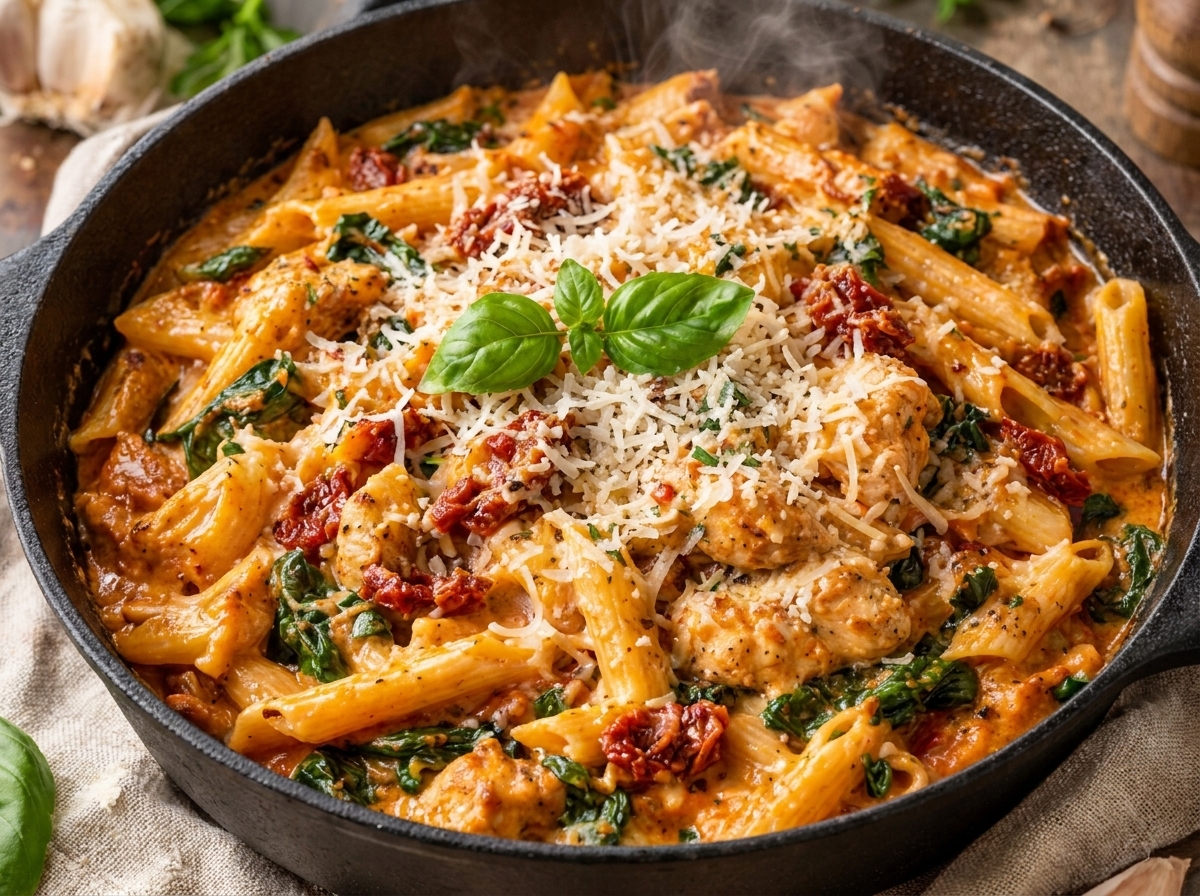
Marry Me Chicken Pasta One Pan — Pastas & Italian Classics
Pastas & Italian Classics•30 Mins

Marry Me Chicken Pasta One Pan

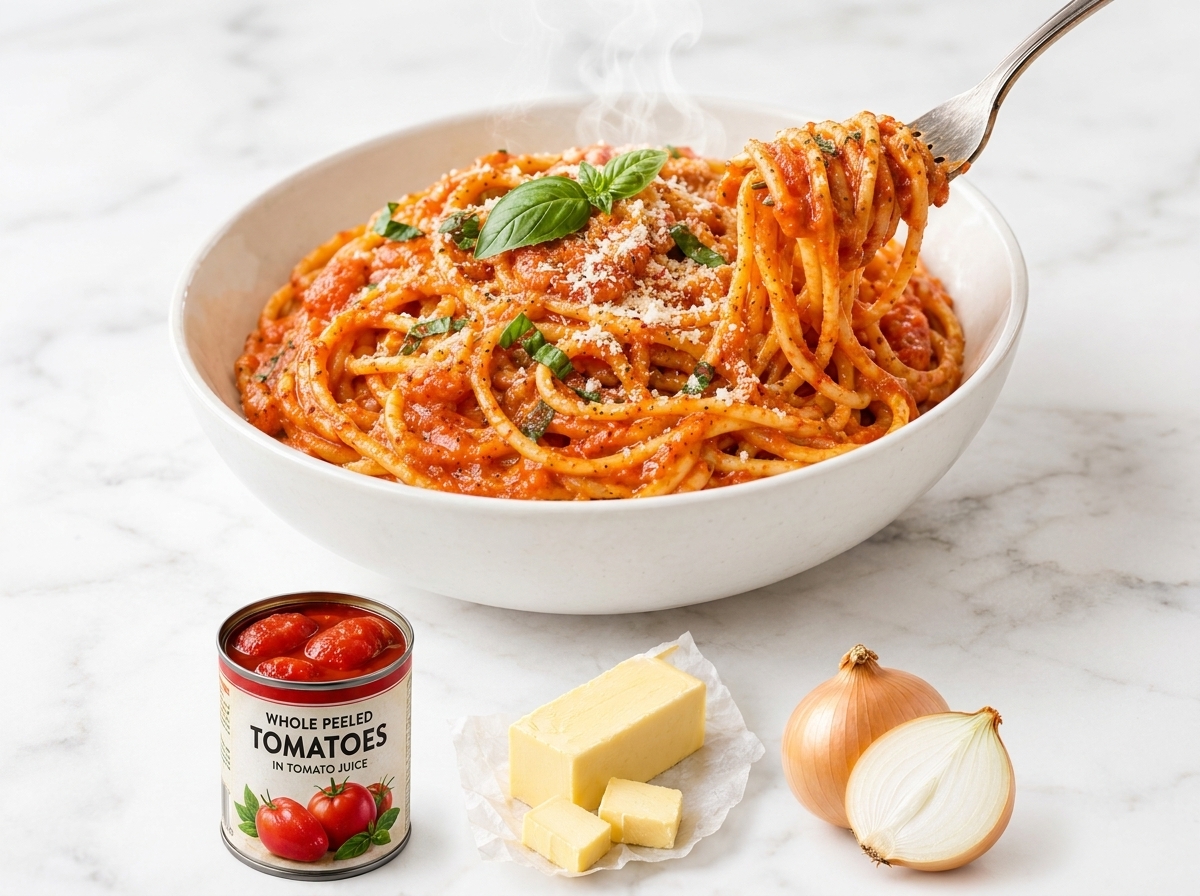
Viral 3-Ingredient Pasta Sauce — Pastas & Italian Classics
Pastas & Italian Classics•35 Mins

Viral 3-Ingredient Pasta Sauce

From our kitchen to yours

Want even more help in the kitchen?

Explore our practical digital cookbooks for flexible meal ideas, smarter prep and more inspiration for everyday cooking.

Explore all cookbooks

Get Fresh Recipes & Cookbook News in Your Inbox

Join our free newsletter for new recipes, practical kitchen ideas and first access to cookbook releases and special offers.

Free forever. Unsubscribe anytime with one single click.